2026 Advance awardees
Advance 2026 will work towards the theme of 'Accessibility, Assistive and Inclusive Technologies’ during the 2025 to 2026 period. Advance 2026 is a collaboration between the Royal Academy of Engineering and Global Disability Innovation Hub, part of the AT2030 programme, which is funded by UK International Development.
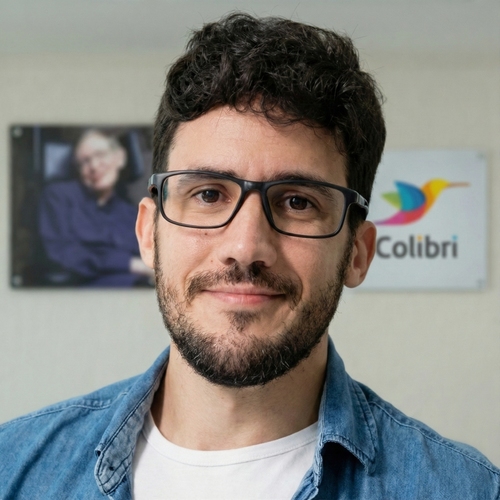
Adriano Assis (Brazil) - Colibri Interfaces
Colibri Interfaces develops advanced assistive communication technologies that give autonomy back to people with severe motor and speech disabilities. Its flagship product, Conversia, is a next-generation multimodal communicator that transforms subtle head movements, facial gestures, and eye-tracking into speech, text, and full digital interaction.
By combining image recognition, AI prediction, symbol-based communication, and personalised voice cloning, Conversia enables users who cannot speak or move to express themselves naturally, participate in school and work, and regain social connection.

Amey Desai (India) - Lifespark Technologies
The world's first care management platform to treat Parkinson’s symptoms at home, preventing falls and providing timely guidance.
Lifespark Technologies is a MedTech startup that builds medical devices and digital health solutions for neurological conditions. We build solutions for management of conditions such as Strokes, Parkinson's Disease, Spinal cord injuries and more. These conditions often involve long term management, 90% of which happens at home. However, there is a lack of home based solutions. The company consists of an 11 person team based at IIT Bombay in India, with its products currently serving over 300 families.

Atakan Yıldız (Turkey) – SoilBiom
Nature-based biotechnology creating tailored biofertilisers and soil-health insights, reducing chemical use, restoring biodiversity, and reducing physical burden for disabled, aging, or low-vision farmers.
SoilBiom removes interaction, literacy, and mobility barriers in agronomy workflows. We provide an assistive, voice-first interface that turns complex soil health data into understandable, actionable tasks (e.g., “apply 20 L/da compost tea next Tuesday morning”), with large-print, high-contrast modes and audio prompts. Inclusive defaults (plain language, icon-led navigation, error-tolerant input) and low-bandwidth/offline operation fit rural contexts.
SoilBiom works with leading agricultural producers across Turkey in tea, tobacco, barley, fruit orchards, and organic strawberry farming. The company has carried out more than 50 field trials showing improved soil health, reduced fertiliser use, and better crop performance. SoilBiom has a growing team and strong industry partnerships, positioning the company for international expansion and broader adoption of sustainable farming practices.
Derrick Lubanga (Kenya) - Tunga Innovation
Voice-controlled browser extension giving students with motor disabilities full, hands-free access to digital education.
Millions of students with motor disabilities across Africa face exclusion from online learning because they cannot use keyboards or mice, and existing assistive devices are expensive, exhausting, or incompatible with local contexts.
AbleSpeak solves this by providing an affordable, software-based voice navigation tool that works in real time across e-learning platforms. It reduces fatigue, breaks access barriers, and ensures learners can participate, study, and complete tasks independently. AbleSpeak is a browser-based assistive technology that turns voice commands into seamless digital navigation for students with limited hand mobility.
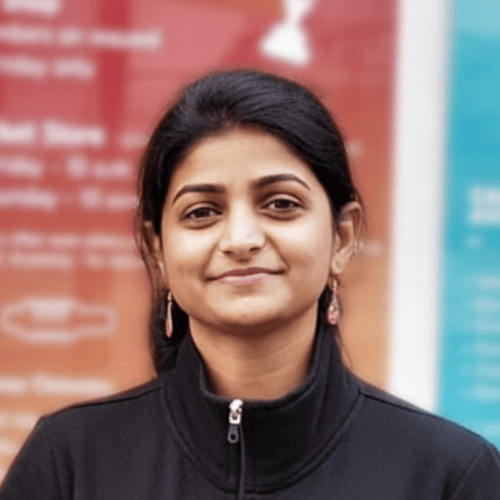
Dr Ann David (India) - Thryv Rehab Solutions
Transforming upper-limb rehabilitation through intelligent, accessible robotics.
Thryv Rehab Solutions is transforming upper-limb rehabilitation through intelligent, accessible robotic technology that enables data-driven recovery for individuals affected by neurological and musculoskeletal conditions.
PLUTO-H (Plug and Train Robot for Hand Rehabilitation) is an innovative, portable robotic rehabilitation system designed as a practical alternative to conventional therapy and large, hospital-bound robotic systems. It addresses the global challenge of limited access to effective upper-limb rehabilitation by combining affordability, portability, and objective performance tracking, enabling high-quality therapy beyond tertiary care centres.

Dr Atish Shah (Tanzania) - Roverlabs Tanzania
Reinventing access to assistive devices through iPhone 3D scanning, AI generative design, and 3D printing, bringing high-quality, personalised care directly to patients.
Roverlabs Tanzania is tackling the severe lack of access to customised assistive devices in Tanzania, especially for rural communities and women facing stigma. Using a smartphone as a 3D scanner, the company captures limb scans remotely, applies an AI-enabled generative design, and 3D prints customised orthotic devices in Dar es Salaam. This digital, decentralised process removes the need for hospital visits, thereby reducing costs while delivers high-quality devices within days.

Dr Warangkhana Phanwanich (Thailand) - Petaneer Co / AquaTrek Solution
Inclusive hydrotherapy helping humans and animals to achieve a greater quality of life.
Dr Warangkhana Phanwanich, CEO of Petaneer and AquaTrek Solution, is empowering smarter recovery and compassionate care through inclusive hydrotherapy innovation, helping humans and animals to move beyond health towards vitality and improved quality of life. Hydrotherapy offers a safe, pain-free solution, as water buoyancy reduces joint impact and supports controlled movement. By developing a more affordable system and an accessible service model, we can promote preventive exercise, strengthen mobility, enhance quality of life, and reduce long-term healthcare costs.
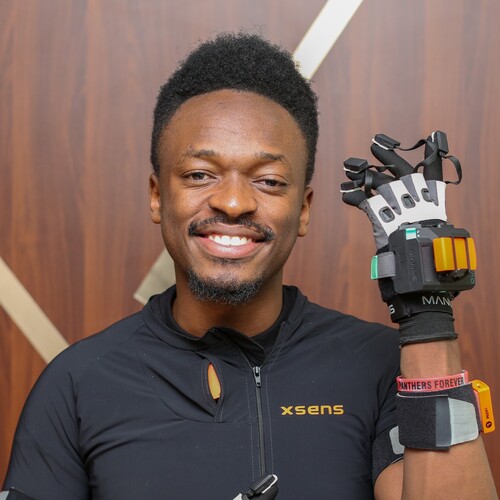
Elly Savatia (Kenya) – Signvrse
Instant, accurate sign language translation using AI-driven 3D avatars.
Terp 360 provides instant, accurate sign language translation using AI-driven 3D avatars, making communication accessible for Deaf people across education, public services, and digital platforms, anytime and anywhere.
Across Africa, millions of Deaf people struggle to access essential services due to a severe shortage of qualified sign language interpreters. This affects education, healthcare, justice systems, and everyday communication. Terp 360 addresses this challenge by offering an affordable, always-available solution that converts spoken language into sign language in real time. By ensuring continuous, reliable interpretation, Terp 360 reduces communication barriers and enhances inclusion for Deaf individuals in schools, workplaces, and public services.

Feyzullah Tuna (Turkey) - FEYZCO Tech
Connecting people with different disabilities through real-time visual assistance powered by resilient urban wind energy.
SymbioLink is a dual-purpose innovation integrating clean energy access with inclusive digital connection. At its core, it combines a compact, high-efficiency smart vertical-axis wind turbine (SVAWT) with a mutual support network designed for people with disabilities.
The turbine generates reliable off-grid power in turbulent and low-wind urban environments, ensuring that assistive technologies remain operational during blackouts. Beyond powering devices, this energy also sustains a digital link between two individuals whose abilities complement each other: a visually impaired person equipped with a wearable camera shares a live video feed with a partner who has limited mobility.

Hugo Esteban Rojas Muñoz (Colombia) - Humanos 3D
Affordable, customised 3D-printed prosthetic solutions delivered through community-based mobile clinics.
Millions of people with limb differences—especially in low-income and rural communities—lack access to affordable, properly fitted prosthetic devices. Traditional systems are expensive, slow, and often inaccessible. Humanos 3D addresses this gap by combining rapid 3D scanning, digital modelling, and local 3D printing with a community-based care model. This approach makes prosthetics faster to produce, personalised to each user, and delivered directly in their environment.

Jorge L. Garcia (Colombia) – Kuepa
Multi-brand EdTech group leveraging data and AI to directly connect vulnerable young adults to high-demand jobs in LATAM.
Kuepa are transforming educational access by operating a multi-brand EdTech group that leverages data and AI to directly connect vulnerable young adults to high-demand jobs in Latin America. The innovation solves the dual problem of educational exclusion and youth unemployment by creating a high-efficiency network of institutions across technical, secondary, and higher education. The Kuepa Ecosystem has been proven to achieve superior student retention (97%) and drastically reduce administrative costs, making quality education both scalable and affordable.

Mahmut Cihat Kahraman (Turkey) – Vsight
Connected worker platform providing real-time access to expertise and inclusive learning tools for frontline industries.
Frontline industries face rising skill shortages, safety risks, and accessibility barriers. Many workers lack equal access to expert knowledge and training, especially in low-resource environments. Traditional support methods rely on travel and paper manuals, creating inefficiency and exclusion. Our platform tackles these inequities by giving every worker — regardless of ability or location — real-time access to expertise and inclusive learning tools.
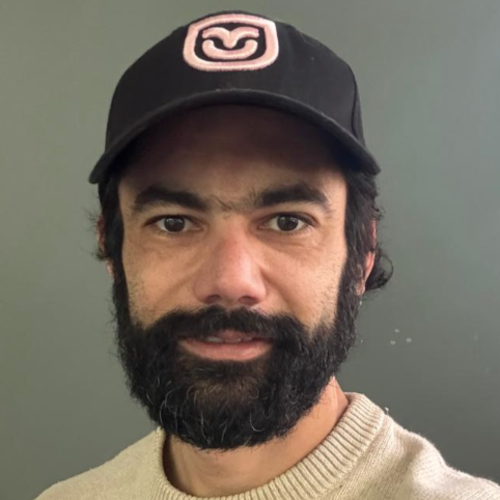
Martin Londoño (Colombia) - MATT Movilidad
Electric mobility brand transforming manual wheelchairs into smart, affordable, high-impact vehicles for daily life, work, and inclusive city experiences.
MATT Movilidad, led by CEO Martín Londoño, is building a future where disability doesn’t mean reduced mobility, but feeling empowered to seek freedom. We design and manufacture electric wheelchair-attachment devices that turn a standard wheelchair into a powerful, safe, ideal solution for daily life, tourism, and last-mile delivery work opportunities. The product is a modular, user centred mobility system that boosts independence, dignity, and income opportunities for wheelchair users, while also helping cities move toward more inclusive public space, services and sustainable mobility.
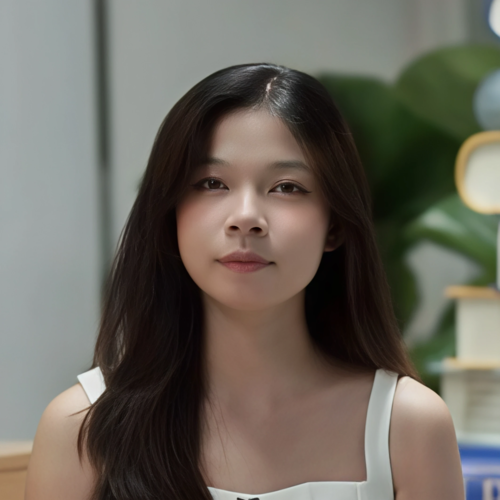
Muoi La (Vietnam) - 4D – BONDE
Affordable, assistive device empowering people with upper-limb disabilities to reclaim independence and confidence.
When considering upper-limb disabilities, most people immediately think of high-tech prosthetic arms. However, in many low and middle-income countries like Vietnam, such devices are often unsuitable: they are prohibitively expensive, heavy, and offer limited practical functionality, even eating. For users who face both economic and daily-living challenges, these prosthetics fail to meet real needs. The Versatile Joint System addresses this gap with an affordable, durable, and user-centred design tailored for everyday tasks.
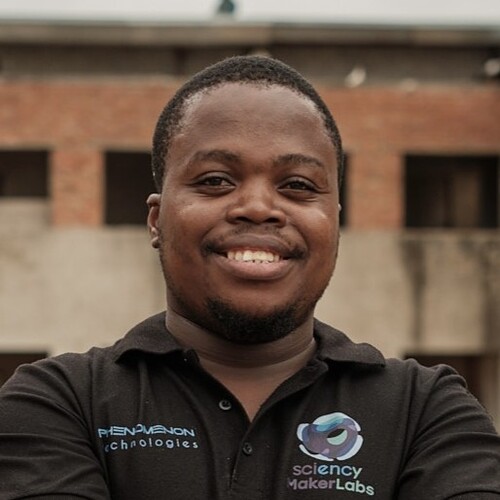
Nkosana Butholenkosi Masuku (Zimbabwe) - Sciency Africa
Affordable, accessible STEM kits and guided digital courses for low-resource environments to engage with robotics, coding, and engineering.
The Sciency STEM Learning Kits combine locally assembled hardware with plug-and-play components and an AI-supported learning platform. This approach makes high-quality STEM education possible even without specialised teachers. The kits allow students to build real engineering projects, such as traffic lights, sensors, and clean-energy systems, while receiving adaptive guidance from self-paced digital lessons. The innovation’s unique value lies in its affordability, contextualised curriculum, and seamless use in low-resource environments, enabling inclusive participation in STEM fields.
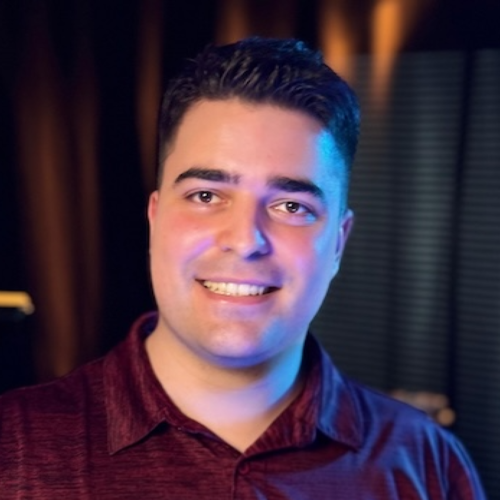
Rafael Zinni Lopes (Brazil) – Timbrasom
Revolutionising accessibility by ensuring music, education, and spoken language are accessible to the deaf community in any virtual environment.
While most deaf individuals do not know sign language, they crave sound perception through vibration. Current hardware solutions, like haptic vests, are expensive and largely inaccessible. Timbrasom solves this gap through its proprietary AI Transformer technology, which converts sound parameters into precise rhythmical vibrations directly on a smartphone.
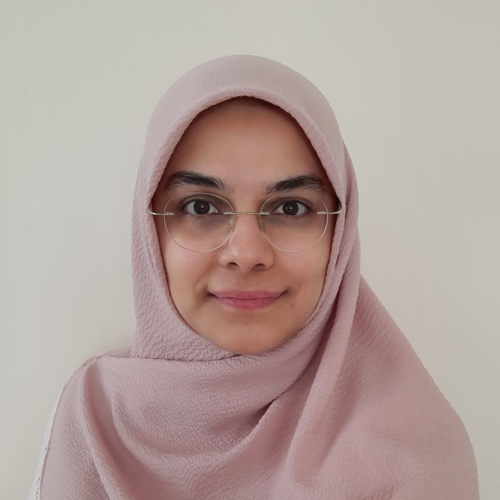
Ruveyda Kızılaslan (Turkey) - Toemotional Health Technologies
Globally accessible platform to monitor and strengthen mental development during early childhood.
Harnessing scientific AI and data-driven guidance, Toemotional Health Technologies' flagship product, Brainleapp, is creating a globally accessible platform to monitor and strengthen early childhood mental development, ensuring equitable futures for children everywhere. Brainleapp uses optimised question sets and personalised feedback mechanisms to monitor the cognitive, social, language, motor, communication, joint attention, and sensory skills of children aged 0 to 6. Through short daily questions, the platform enables families to track developmental progress, identify potential risks at an early stage, and access tailored content, activities, and recommendations. This approach makes developmental monitoring more accessible, less stressful, and seamlessly integrated into everyday home life.
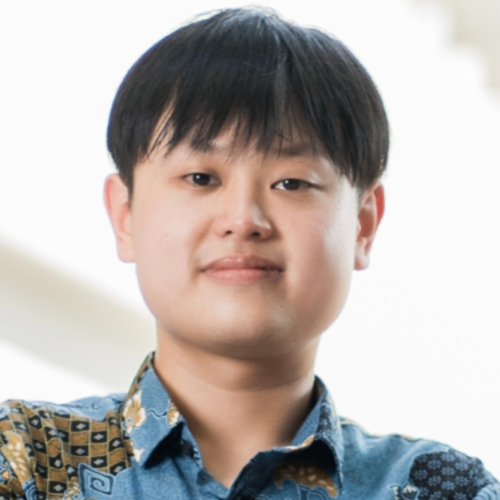
Ryan Jee Hong Kang (Malaysia) - UnBound®
Mobile-first AI system making cities and transport more inclusive, affordable, and responsive for people with disabilities worldwide.
UnBound Inclusive Mobile Infrastructure AI is a breakthrough platform that transforms ordinary smartphones into inclusive infrastructure tools. Using computer vision, it detects wheelchair users, obstacles, and people in distress, while providing predictive analytics for future town planning. Unlike conventional systems, it is low-cost, portable, and scalable, ensuring accessibility is achievable across diverse regions. Its “people-in-the-loop” design complements human responders, embedding empathy and oversight while advancing SDG 10 (Reduced Inequalities) and SDG 11 (Sustainable Cities & Communities).

Sylvia Nyaga (Kenya) – Syna
An accessible, modular, locally-made toilet solution designed for households without safe sanitation.
Across many rural and low-income communities, households lack safe, accessible, and climate-resilient sanitation. Conventional pit latrines are not designed for users with mobility challenges. They are often far from home, unsafe at night, inaccessible, and can cause injuries, health risks, and social exclusion. Utulav Classic solves this by providing an affordable, indoor toilet system that uses little to no water, and can be installed inside any home, significantly improving safety, dignity, and daily hygiene.
Utulav Classic is a modular, furniture-style indoor toilet designed for households without safe, accessible sanitation systems. Built with sustainable materials and manufactured with local artisans, it provides a dignified, water-efficient solution for people with mobility limitations. Integrated with Accessify’s digital accessibility audits, it links identified gaps to practical solutions. Its open-source plans and proprietary components make it scalable, affordable, and easy to assemble, even in remote areas, bridging a critical gap for disability-inclusive, climate-resilient sanitation.
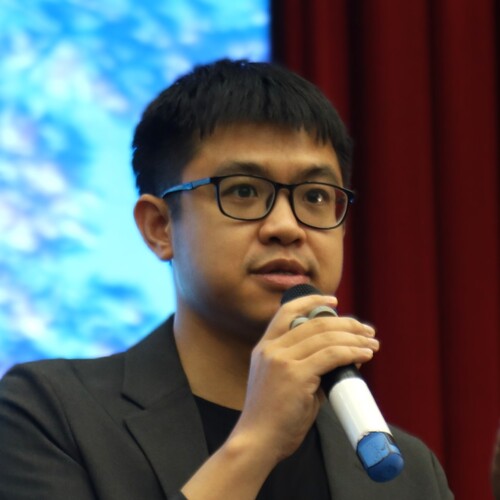
Tien Nguyen (Vietnam) - Edmicro Education
AI-powered learning platform enabling digitalisation for core educational functions.
Globally, high-quality personalised education remains out of reach for most students due to rigid, one-size-fits-all classroom models that are clunky and fail to address individual weaknesses. Edmicro aims to solve this by fully digitalising core school functions (including instructions, content management, and testing) using AI and big data. Delivering adaptive, personalised learning at scale, its novel approach combines a massive curriculum-aligned library (over 500,000 questions and video lectures) with real-time AI diagnostics that instantly create customised learning paths and automated mock exams.

Tuncay Yilmaz (Turkey) - KıvamPRO Food Technologies
Delivering safe, reliable, and affordable thickening solutions for people with dysphagia.
Dysphagia affects nearly 590 million people worldwide and leads to choking, malnutrition, dehydration, aspiration pneumonia, and loss of dignity. Available thickeners are dominated by a few multinational companies and often expensive or inaccessible, especially in low and middle-income countries. This creates a major accessibility and inclusion gap. PraThick® addresses this problem by providing affordable, IDDSI-compliant thickening solutions that support safe swallowing, proper hydration, and early clinical diagnosis, making dysphagia care more equitable.
PraThick® is an innovative thickening system designed to stabilise liquid texture for safe swallowing. Its formulation ensures IDDSI-level consistency, amylase resistance, transparency, and easy preparation across beverages and meals. Unlike traditional thickeners, PraThick® provides both nutritional and diagnostic support through gel-based systems and barium-enhanced formulations. By combining affordability with clinical reliability, it offers a novel, comprehensive approach to managing dysphagia in hospitals, care homes, and home-care environments.

Vivian Manohar (India) - Grailmaker Innovations
Early intervention platform delivering personalised visual training for children with brain-based visual impairments.
Cerebral Visual Impairment (CVI) is a brain-based visual condition where the eyes may be healthy, but the brain struggles to interpret what is seen. Specialist early intervention services are often limited to major cities, so many children miss the critical years of greatest neuroplasticity. Vision Nanny addresses this by delivering tailor-made vision therapy through a web-based platform that runs on low-cost tablets and other commonly available devices in homes and community centres.
Vision Nanny is a digital early intervention platform for children with CVI and other brain-based visual impairments. It offers interactive, AI-based game-like activities that train skills such as tracking, locating and recognising objects in controlled visual environments. The activities are developed in collaboration with clinicians and adapted from established CVI intervention protocols. Each activity can be customised through adjustable parameters such as colour, size, speed and contrast, creating a personalised visual training plan for every child, delivered via any device with a web browser.