Amplifying stories and knowledge driving inclusion through partnerships, networks and Organisations of People with Disabilities (OPDs).
The AT2030 programme drives meaningful change by engaging with key sporting and cultural moments, working together with assistive technology users, Organisations of People with Disabilities (OPDs) and the wider disability innovation community. Through co-developed storytelling, we challenge stigma and deepen understanding, testing and scaling community engagement strategies to accelerate lasting impact.
The Para-Sport Against Stigma programme champions innovative approaches to amplifying para-sport activity, harnessing its power to shift perceptions and drive systemic change through targeted dissemination and advocacy.
This cluster is also building a network of Organisations of People with Disabilities (OPDs), to develop foundational knowledge of what is available to them from a funding to networking perspective. By designing research collaboratively alongside OPDs, we address barriers to AT access while creating meaningful mechanisms for AT user engagement and influence.
Sub-Programmes
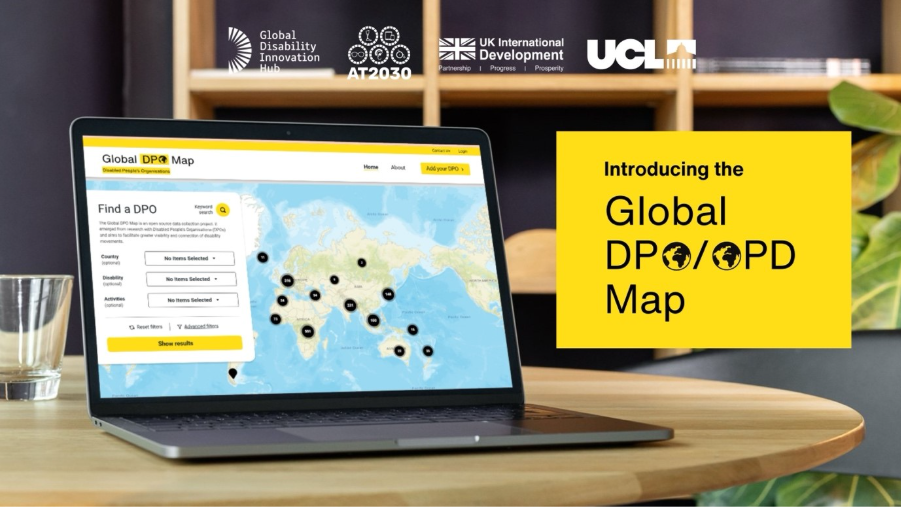
- OPD & AT User Engagement: The global OPD/DPO map is the largest-ever collection of advocacy groups led by disabled voices in the transnational disability community.
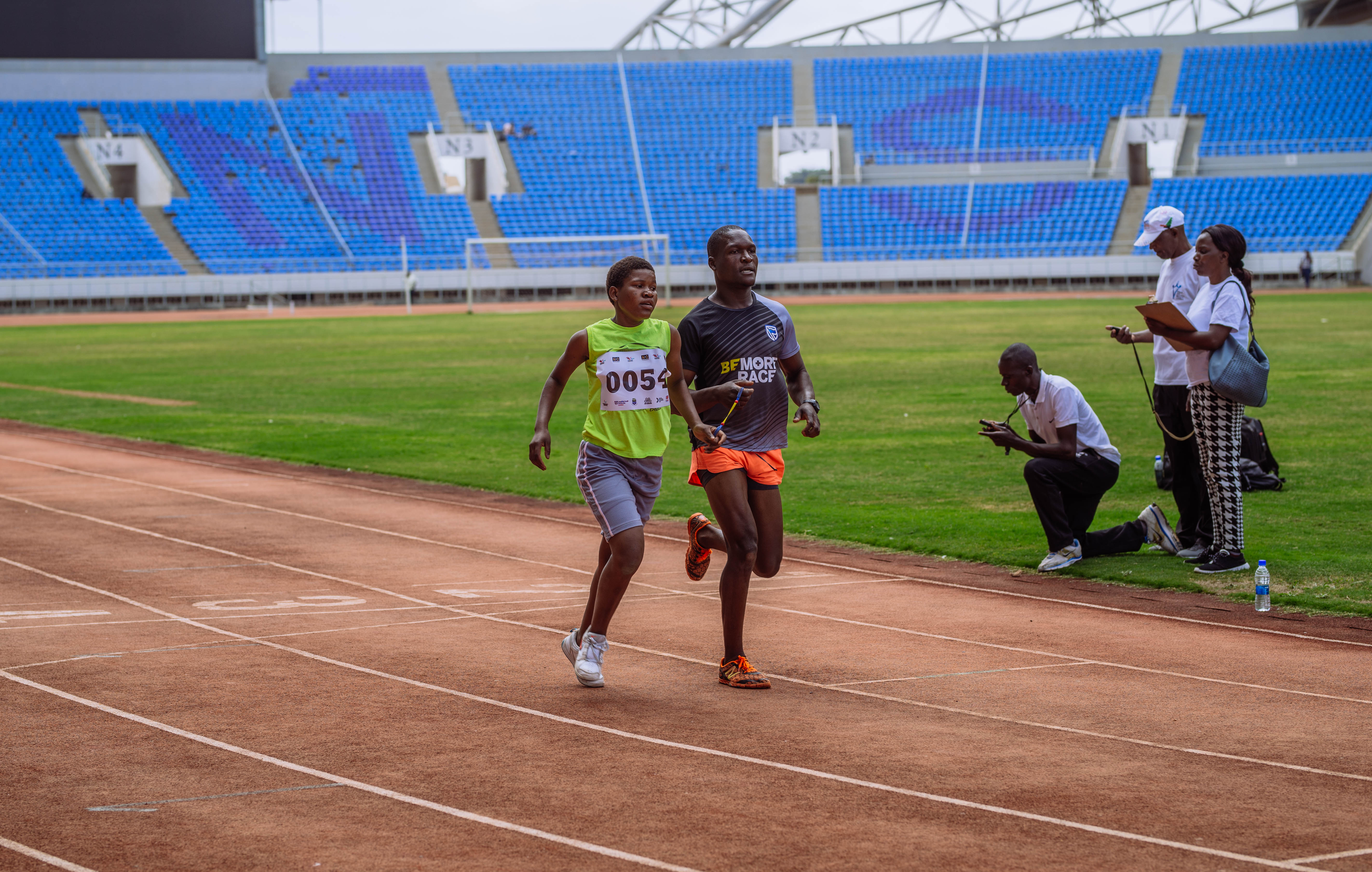
- Para Sport Against Stigma: The AT2030 Para Sport Against Stigma Programme is a multi-phase research and practice initiative funded by UK International Development and led by Loughborough University in partnership with organisations across Southern Africa.
- Transformative Dialogues - DLN: Global: By spotlighting disabled leadership stories and experiences we can provide peer-knowledge sharing, while amplifying the success of those that are already influencing change. 'DLN: Global' is a collaboration of the Disabled Leaders Network and AT2030 to create moments of discussion and dialogue.
- OPD Voices to the Stage: A funding opportunity to support OPDs to attend major cultural conferences and events. Its ambition is to amplify OPD voices, knowledge and expertise by positioning of OPDs within key global conversations, and with decision-making spaces locally, nationally and internationally.
- Sector Events and Engagement: This area of the AT2030 programme serves to drive impact by amplifying programme and research outputs through public engagement mechanisms.
- Amplifying the Paralympics: The 2024 Paralympic Games provided a powerful global stage, and the Global Disability Innovation Hub seized the moment to amplify the voices, stories, and futures of disabled people worldwide by proudly supporting a landmark collaboration between leading UK and South African Deaf and disabled artists.
Latest
-
What needs to change to get more funding to OPDs?
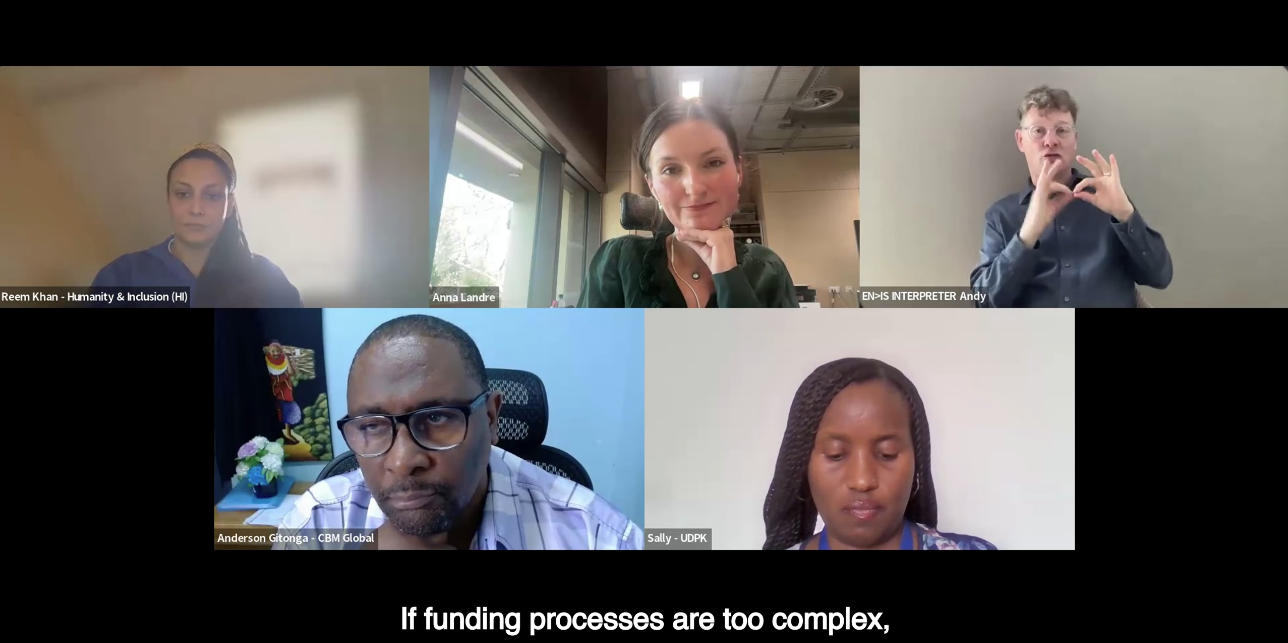
Harrison KamauOct. 2, 2026GlobalCase Studies and ReportsThis webinar brought together OPDs, funders and civil society to discuss the barriers & pressures experienced across the funding ecosystem, share practical advice, & define what individuals and organisations can commit to, to strengthen the system. For those that fund, or are considering funding, disability‑inclusive work, this webinar convenes leading actors across disability‑inclusive development to share practical lessons on how to create stronger, more effective pathways for funding the meaningful participation of OPDs.
-
Connection as Infrastructure and Resilience in the Transnational Disability Movement: from the Webinar “Introducing the Global OPD Map
Anna LandreSept. 30, 2026GlobalCase Studies and ReportsOrganisations of persons with disabilities (OPDs, also called Disabled People's Organisations or DPOs) are often the actors who know where disabled people are, what they need, and whom they trust. Yet the connections between them as an ecosystem -- and between them and the institutions that fund and work with them -- still run mostly on word of mouth and one-off consultation. This paper draws on a webinar launching The Global DPO/OPD Map, hosted by the Global Disability Innovation Hub (GDI Hub), where GDI Hub hosted the curator of the Map, two OPD leaders, and a UNICEF adviser to discuss how the movement connects, what stops it, and what it needs from others.
-
Webinar: Improving Access to Funding for Organisations of Persons with Disabilities (OPDs): Collective Action for Disability-Inclusive Development
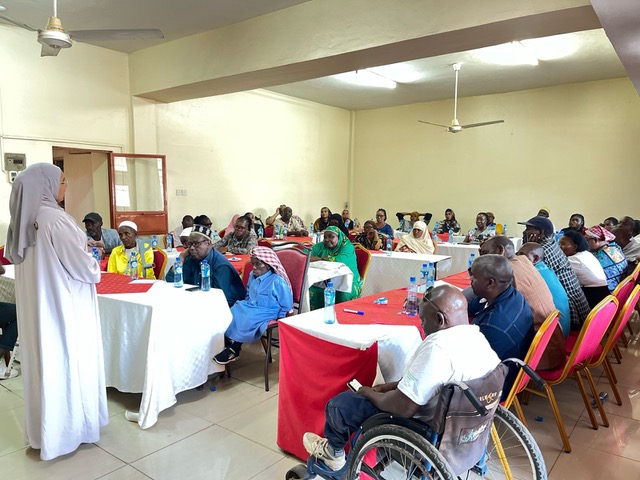
Global Disability Innovation HubSept. 29, 202612-1pm BSTThis webinar brings together key actors across the OPD funding ecosystem to foster practical dialogue on the future of disability‑inclusive funding and equitable partnerships. Suitable for organisations who fund, or are looking to fund, disability‑inclusive work. It will explore the real operational pressures and barriers facing OPDs and funders, and share practical lessons on what works to support sustainable, meaningful OPD participation in disability-inclusive development.
-
10 Years of Innovation at the Global Disability Innovation Hub
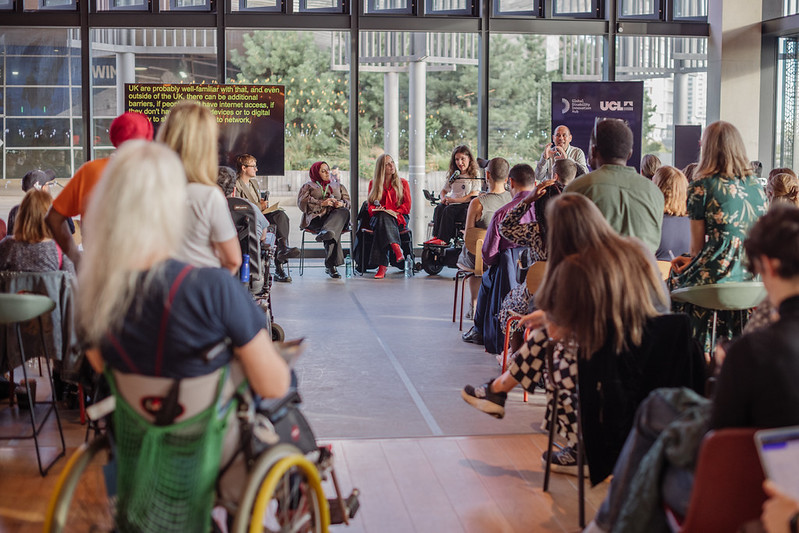
UCLSept. 18, 2026UKThis UCL news article explores an event celebrating ten years of disability innovation showcasing the profound impact GDI Hub are having in this space
-
GDI Hub's work to build a funding system that works for disability led impact
Pollyanna WardropAug. 28, 2026GlobalThis blog explores the importance of identifying where funding systems block OPDs from participating and determining how those barriers can be dismantled so OPDs can play a central role in shaping legislation, policies, and decisions affecting persons with disabilities.