Strengthening OPD Capacity for Inclusive Development in Kisumu County, Kenya
Executive Summary
In Kisumu, Paul Olang, Chairman of the Kenya Disabled Information Advisory Centre (KEDIAC), recalls a recurring frustration: “The law exists, but it’s like it’s hidden from us. We rely on explanations from others, and crucial details are often missing.” He refers to the Persons with Disabilities Act, 2025, a landmark framework designed to guarantee rights, access to services, and inclusion.
Yet the gap between policy and practice remains significant. While Kisumu County has progressive disability inclusion policies, many persons with disabilities continue to face barriers in accessing information, navigating public services, and understanding their legal entitlements. Organisations working to bridge this gap face persistent challenges: gaps in digital literacy, limited access to assistive technologies, fragile organisational systems, and low visibility in decision-making spaces. Insights from a workshop convening 15 local leaders revealed a critical shift needed: moving from participation to influence.
These findings directly inform the OPD Capacity Strengthening Framework, led by Kilimanjaro Blind Trust Africa (KBTA) and the Global Disability Innovation Hub (GDI Hub). By strengthening governance, advocacy, digital capacity, and partnerships, the framework equips organisations to drive sustained, strategic influence in inclusive development.Figure: Paul Olang, Chairman of the Kenya Disabled Information Advisory Centre (KEDIAC), in his office.
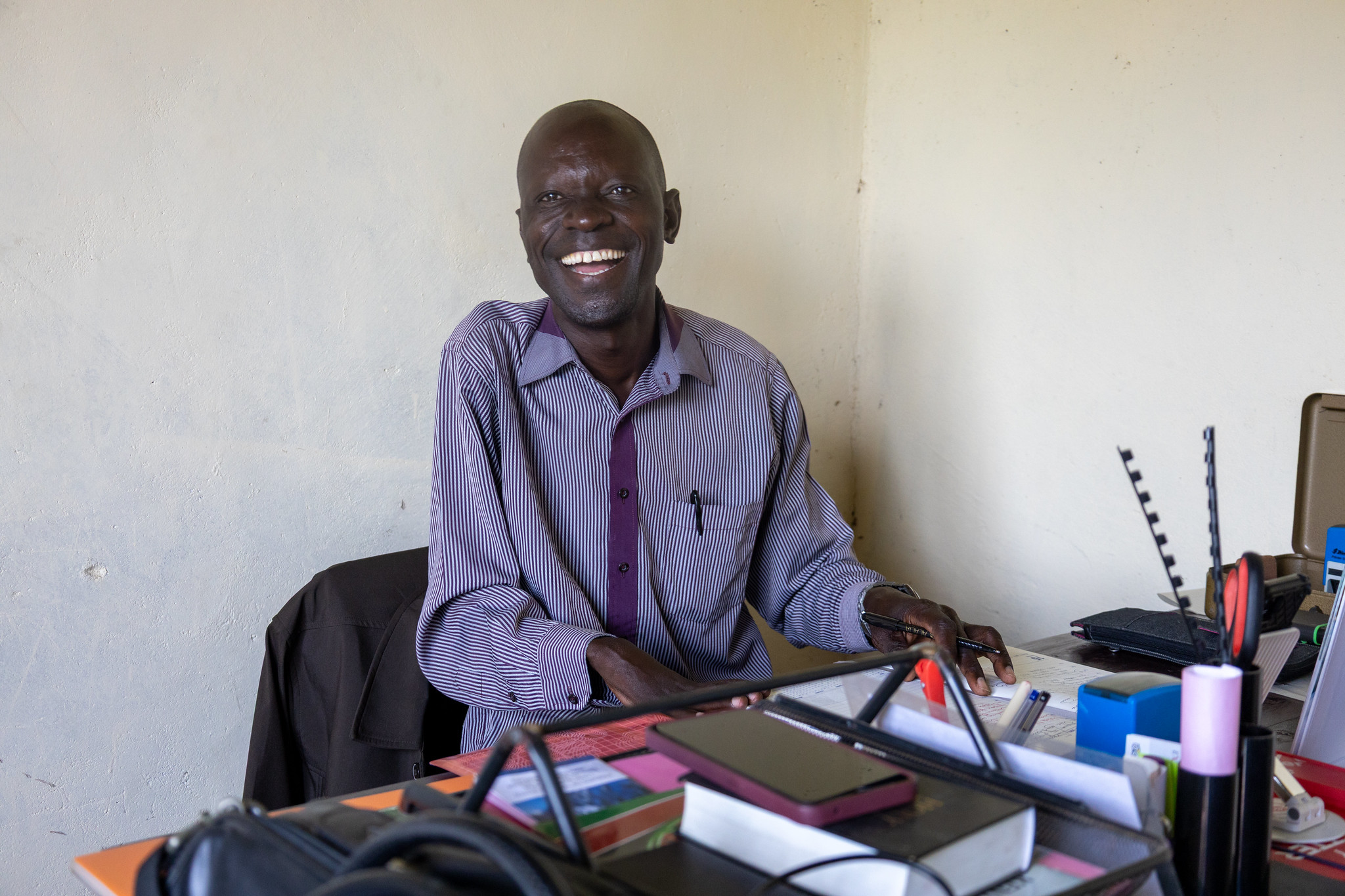
Figure: Paul Olang, Chairman of the Kenya Disabled Information Advisory Centre (KEDIAC), in his office.
Introduction
Organisations of persons with disabilities (OPDs) play a central role in advancing inclusive development in Kenya. They advocate for rights, facilitate access to services, and act as a bridge between communities and policymakers. In Kisumu County, these organisations operate within a context where national policies are progressive, but local implementation remains uneven. Many individuals still face barriers to information, participation, and essential services.
2 regional workshops convened 15 OPD leaders to explore these challenges and strengthen organisational effectiveness. The training focused on influence, assistive technology (AT), and digital engagement. A key insight emerged: effective organisations are defined not by their presence, but by their ability to communicate strategically, mobilise communities, leverage technology, and shape policy.
“Influence is the ability to shape policies, laws, budgets, and public attitudes… and to hold duty-bearers accountable.” David Kopiyo - Facilitator
Kisumu-Specific Insights: From Access to Influence
OPD leaders highlighted during the Kisumu workshops that access alone does not guarantee inclusion. Policies and legislative frameworks may exist, yet barriers in communication, technology, and organisational capacity prevent many from fully benefiting. Information is often available, but not accessible, simplified, or actionable. Reliance on second-hand explanations frequently leads to incomplete understanding, limiting individuals’ ability to claim their rights.
“Most people with disabilities, and society at large, aren’t aware of the Disability Act or its amendments. As leaders, we must popularise it and ensure accessible, simplified versions reach our communities.” - Workshop participant
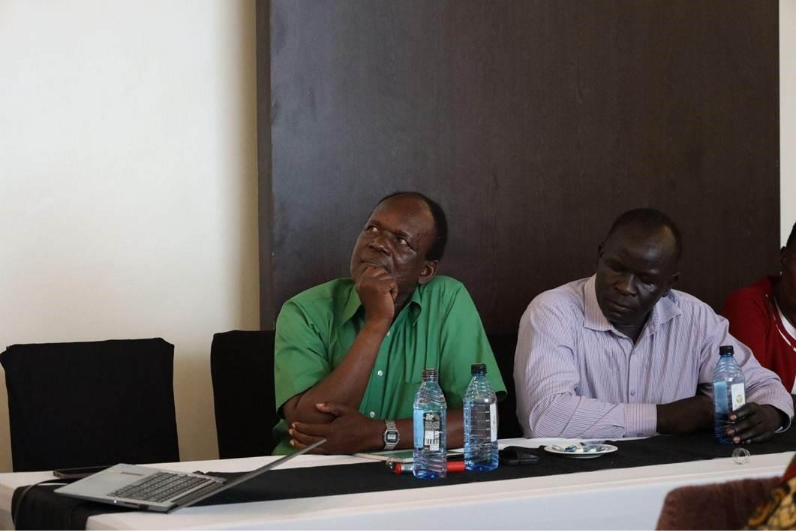
Figure: Engagement between OPD leaders and facilitators on integrating assistive technology into advocacy and program implementation.
Digital Platforms as Catalysts for Influence
Digital tools present significant opportunities for advocacy and visibility. Social media campaigns, hashtags, online petitions, and virtual engagements can mobilise communities and shape public narratives. The workshop facilitator emphasised that Kisumu audiences actively engage with digital campaigns, making these platforms powerful tools for influence.
“Digital tools will be essential to connect urban and rural members and amplify our work.” Obara Thadayo - Inclusion Officer, New-hope disability
Assistive Technology as an Enabler of Participation
Assistive technology (AT) is a critical enabler of independence, participation, and organisational effectiveness. For leaders in Kisumu, improving access to AT is directly linked to ensuring that information and opportunities are not just available, but usable. The organisation shifted from basic phone use to leveraging smartphones for communication, documentation, and advocacy. They now manage digital records, run virtual meetings, and maintain an active online presence, significantly improving efficiency and engagement with members and partners.
“Initially, we only used our phones for basic functions, unaware of many useful applications. Through training, we have learned to use these tools effectively.” - Workshop participant
Emerging Strengths and Persistent Gaps
The county level workshops revealed encouraging signs: growing awareness of advocacy strategies, willingness to adopt digital and assistive technologies, and a strong commitment to collaboration.
“Many groups are hidden or overlooked. More targeted efforts are needed to ensure they benefit from available services. Accessible content, simplified policy documents, and supportive technology are critical to leaving no one behind.” - James Ondari, KISII PWD
Case Example: KEDIAC’s Transformation Through Capacity Strengthening
KEDIAC demonstrates how targeted capacity strengthening can translate into tangible outcomes. Through training in assistive technology, digital tools, and resource mobilisation, the organisation has significantly enhanced its operations and influence.
The team now uses smartphones, WhatsApp groups, and social media platforms to coordinate activities, engage members, and increase visibility. Administrative processes have shifted from paper-based systems to digital storage and reporting, improving efficiency and accountability.
“Assistive technology has transformed how we operate as an organisation. We can now reach more members, submit reports efficiently, and collaborate with partners seamlessly.” Paul Olang - KEDIAC
These improvements have enabled KEDIAC to develop competitive proposals, attract funding (Ksh, 500,000) and implement projects such as a two-year climate resilience initiative. Leadership capacity has also strengthened, with representation in key policy and governance spaces at the sub-county and county levels.
Importantly, KEDIAC is cascading this knowledge to other disability groups, extending the impact beyond a single organisation. While this is one example, it reflects broader opportunities for OPDs across Kisumu when targeted investments in capacity strengthening are made.
“Our goal is to bring disability inclusion into the mainstream of community development, and technology is the bridge that makes it possible.” Paul Olang - KEDIAC
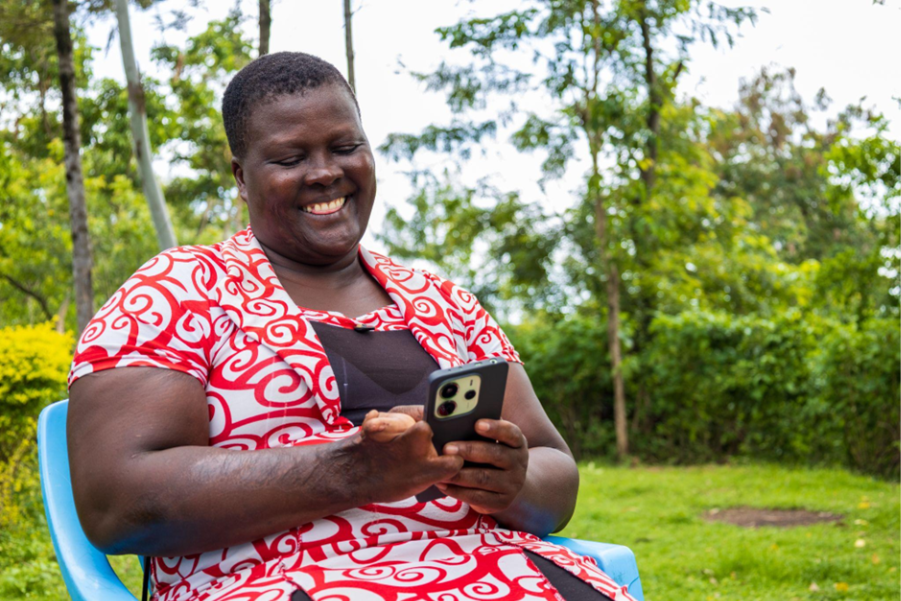
Figure: Carolyne Oreyo using a smartphone to access digital platforms, highlighting digital inclusion in Kisumu County, Kenya
Conclusion
The Kisumu case study highlights a critical shift: from participation to meaningful influence. While structural challenges remain, targeted investment in digital capacity, assistive technology, governance, and partnerships can significantly strengthen the role of OPDs.
Grounded in lived experiences such as those of organisations like KEDIAC, this case study underscores a broader reality: inclusion is not only about having laws and systems in place, but about ensuring they are accessible, understood, and actionable. When organisations are equipped to influence, not just participate, inclusion moves from policy into practice, enabling persons with disabilities to actively shape their futures and realize their rights.