Strengthening OPD Capacity for Inclusive Development in Nairobi County, Kenya
Executive Summary
Nairobi offers access to information, networks, and opportunity. Yet, for many Organisations of Persons with Disabilities (OPDs), inclusion in practice remains uneven and incomplete. Kilimanjaro Blind Trust Africa (KBTA), in partnership with the Global Disability Innovation Hub, organised two county workshops that explored how assistive technology (AT) can strengthen OPD leadership, participation, and operational effectiveness. While participants demonstrated growing use of digital tools and more inclusive practices, a central tension emerged: access does not automatically translate into impact.
OPDs in Nairobi are transitioning from informal, manual systems to more structured, technology-enabled operations. However, this shift remains fragmented. Persistent challenges include weak documentation systems, limited institutional accountability, inconsistent funding, and gaps in translating legal frameworks into practice. This case study highlights the county specific insights from OPD leaders and contributes to the development of a Kenya wide country level strategy.
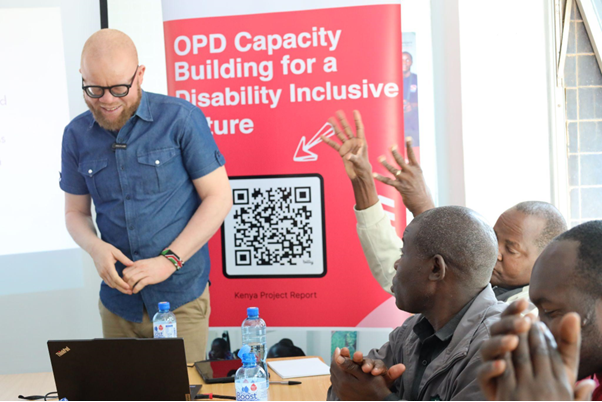
Figure: Facilitated group discussion during the Nairobi County working session.
From Legal Rights to Lived Reality
The Disability Act 2025 marks a significant shift from a welfare-based approach to a rights-based framework, aligned with the Constitution of Kenya (2010) and the UNCRPD. While awareness of the law is growing, workshop participants consistently pointed to a disconnect between policy and practice. Navigating registration processes, accessing government support, and translating legal provisions into actionable programs remain ongoing challenges. This gap underscores a critical insight: legal frameworks alone are insufficient without the tools, systems, and capacity to operationalise them.
“We know our rights are protected on paper, but in practice, accessing services still feels like navigating a maze.” - Collins Ombayo, Light for the World
Assistive Technology as an Operational Backbone
Discussions from both workshops, revealed assistive technology as a practical enabler of day-to-day operations. Tools such as screen readers, captions, speech-to-text, and mobile platforms are improving communication, streamlining data collection, and reducing reliance on physical meetings. Beyond efficiency, AT is reshaping how decisions are made. By enabling real-time, accessible communication, it allows all members to participate meaningfully, moving organisations away from symbolic consultation toward genuine collective decision-making.
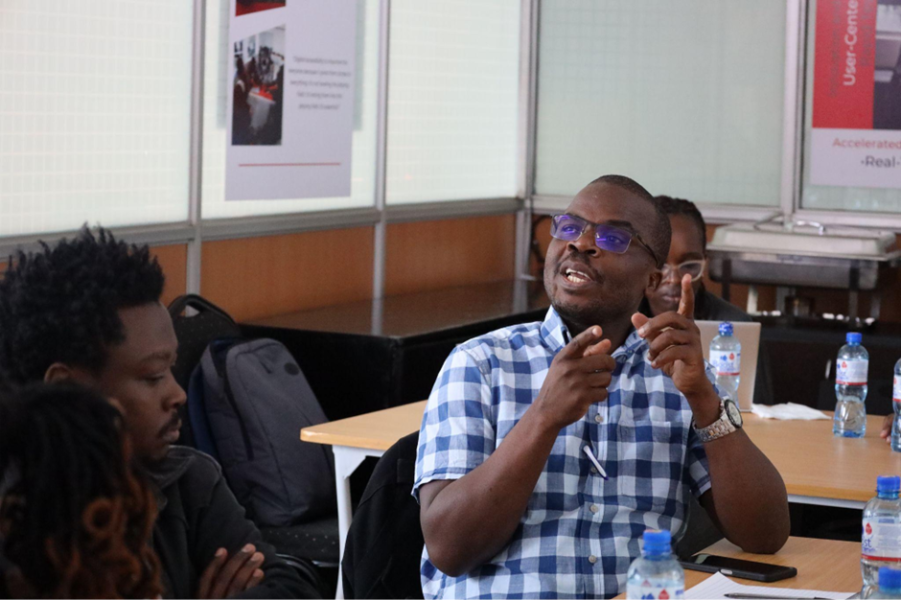
“I was very analogue before, but now I can receive documents digitally, process them, and share them without requiring physical meetings.” - David Matika, Dandora Focused Differently Abled.
From Individual Dependency to System Strength
A recurring challenge across Nairobi based OPDs is the reliance on individuals rather than systems. Critical documents are often held by specific staff, and when they leave, institutional knowledge is lost. Financial processes, in particular, remain fragmented, limiting transparency and continuity. Participants identified a clear direction forward: digitised financial systems, shared document platforms, and structures that ensure continuity regardless of individual presence. This shift, from person-dependent operations to system-driven structures, marks a foundational step toward stronger, more accountable organisations.
“Even if the finance officer is not present, the system should still function.” Carolyne Emoyo, Founder, Smile for Neurodiversity
Kibera: Inclusion at the Grassroots
The most compelling example of change came from Kibera, where a network of over 100 community-based organisations is beginning to integrate disability into its work. Previously, disability was largely absent from community conversations. Following targeted engagement, this began to change. Nairobi OPD leaders agreed that what makes this model particularly effective is its collective approach. Organisations contribute shared resources time, funding, and personnel to support joint initiatives, from awareness campaigns to community dialogues.
“When I joined the network, disability was not something we talked about. Now it is something organizations are actively trying to understand.” Benson Kyumwa, Kibera Disabled Group
As engagement in the county deepens, more complex questions are emerging around employment, accessibility, and inclusive communication. While the answers are not always straightforward, they are prompting action with several organisations having begun disability assessments, registration processes, and training in inclusive communication. This reflects a broader shift: from passive awareness to active, community-driven inclusion.
Figure: Tony Apollo, Chairperson of Disability Rights Trust, contributing to discussions on inclusive participation and emphasising the importance of amplifying the voices of underrepresented disability groups.
Shifting Mindsets, Expanding Possibilities
The workshop also revealed how inclusion is as much about mindset as it is about tools. One group shared their initial reluctance to include a member with hearing and speech impairments due to communication barriers. Over time, they adapted, using written text, mobile phones, and interpreters where possible. This shift reflects a broader transformation: from viewing inclusion as difficult to recognising it as achievable with the right tools and willingness.
“I realized I could communicate. I just didn’t know how before.” - Ismael Mohamed, Kibera Disability
A System in Transition
Across Nairobi, OPDs are experimenting with new ways of working. Digital processes are gradually replacing paper-based systems, and communication is increasingly taking place through mobile platforms. Even among those with limited digital literacy, exposure and practice are building confidence and capability.
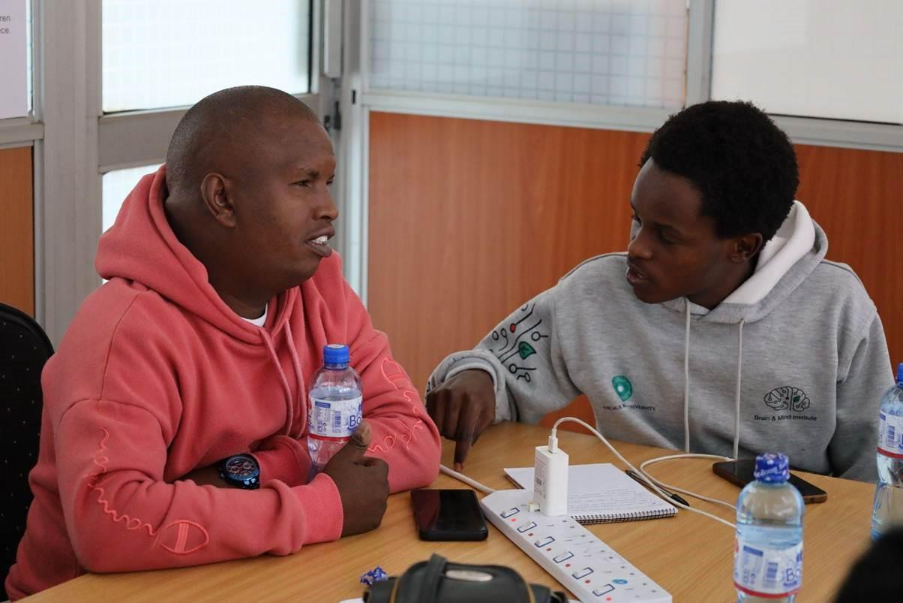
Figure: OPD representatives collaborate during a breakout session, sharing experiences and identifying common challenges in advancing disability inclusion.
Conclusion: Momentum with Structure
The Nairobi workshop revealed a system already in motion. OPDs are adapting, questioning, and beginning to reimagine inclusion in practical terms. With the support of a structured capacity-building framework, this momentum can be sustained and scaled, positioning OPDs not just as participants but as drivers of inclusive development in Nairobi and beyond.
“These things we are discussing, we should not leave them here. The more we practice them, the more they will grow.”- Collins Ombayo, Light for the World