Innovation for Inclusion: marking the 2026 Winter Paralympics with a Disability Sport reception in Rome
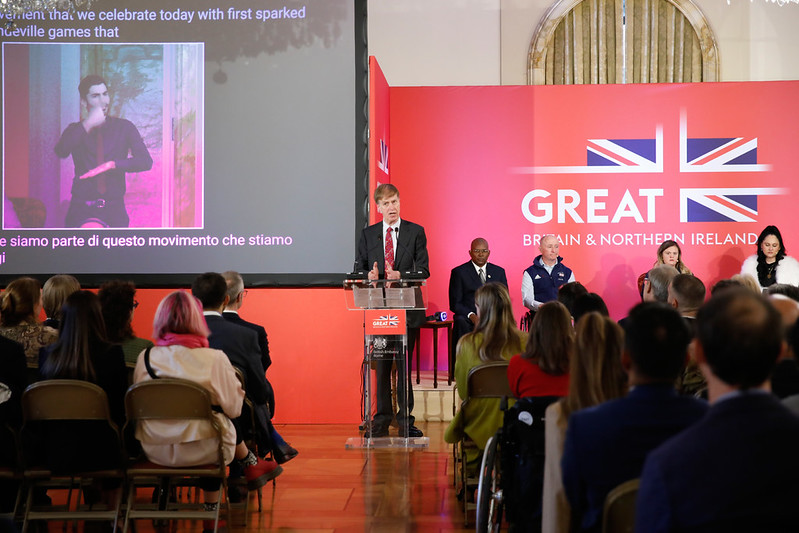
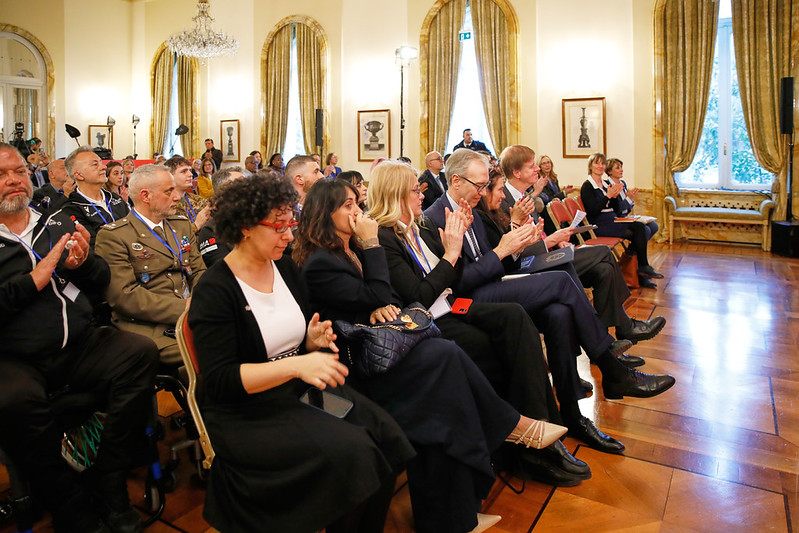
Last week the Global Disability Innovation Hub were delighted to join David Burton OBE, British Chargé d’Affaires Ad Interim to Italy, at the British Ambassador’s Residence, Villa Wolkonsky in Rome for a reception on inclusive participation and the power of disability sports legacy.
With opening addresses by the Rt Hon Sir Stephen Timms MP, UK Minister for Social Security and Disability and Hon. Alessandra Locatelli, Italian Minister for Disabilities the reception and panel reflected on participation and its role in stigma reduction. Highlighting the barriers, particularly those additional challenges faced by low- middle- income countries (LMICs), the panel considered the role of governance, policy, infrastructure and the media.
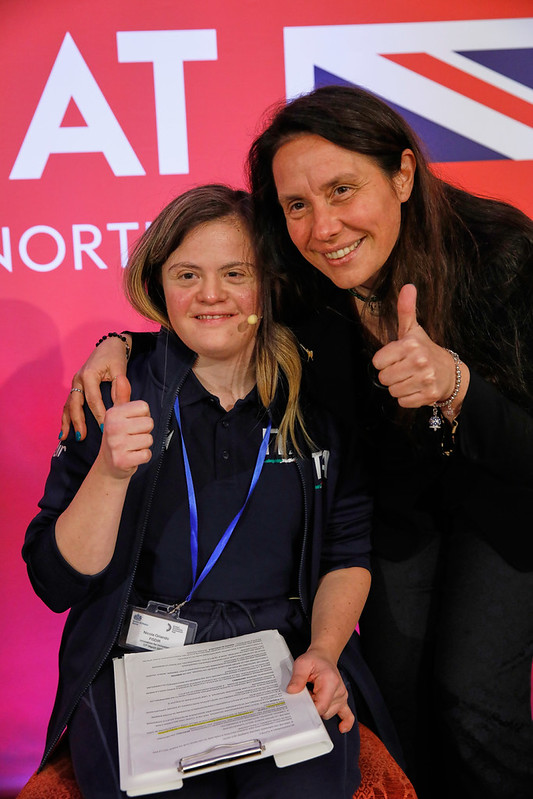
Nicole Orlando, an athlete from the Italian Federation of Paralympic Sports for Intellectual and Relational Disabilities (FISDIR) began the discussion with a clip from her recent documentary aired on Italian TV channel RAI. Sharing her vision for more representative opportunities Nicole reflected that “Paralympians show the world what can be achieved when the barriers are removed” and highlighted that “Inclusion in sports should not be a favour but a right”. Reflecting on continued barriers to competition Nicole summarised that “the record to break is the barriers to inclusion”.
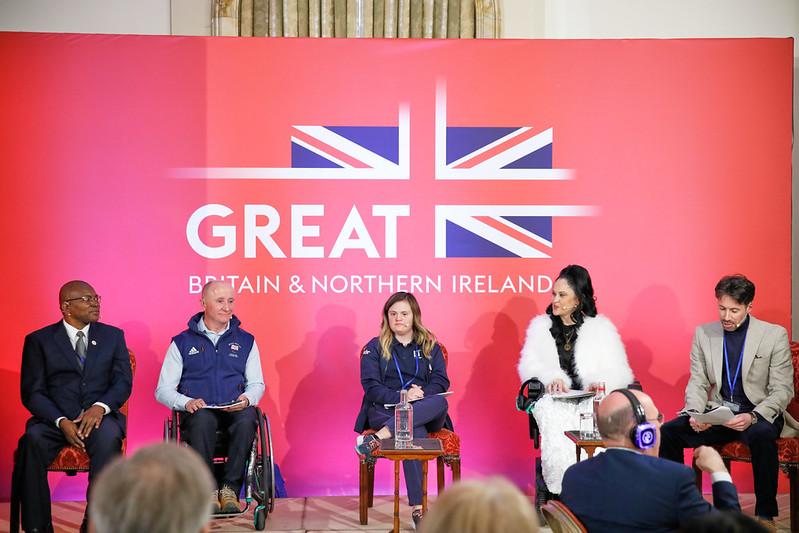
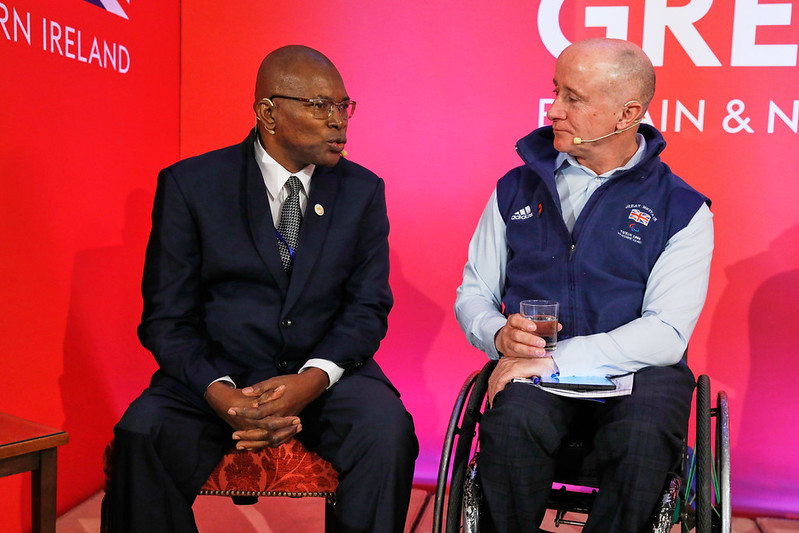
The esteemed panel included James Chiutsi, President of Malawi Paralympic Committee and collaborator on the AT2030 Para Sport Against Stigma Campaign; Cara Yar Khan, Senior Advisor GDI Hub, and International Disability Rights Advocate; and Sean Rose, British TV presenter, Winter Paralympian and World waterski champion.
Considering structural accountability James Chiutsi of the Malawi Paralympic Committee explained the shift required for disability sport to move from inclusion rhetoric to budget-line reality “Representation changes attitudes, leading to policy, community and social change.” and highlighted the importance of leadership “We need leaders that are not looking for safe gratification”. Reflecting on his experience in Malawi he urged that “story telling changes the perception before policy can”.
Cara Yar Khan, an International Disability Rights Advocate, reflected on the innovation gap “We do not primarily suffer from a lack of ideas. We suffer from a failure to build systems that get good ideas to the people who need them, at the right price, in the right place, with the right support. Assistive technology can be brilliant, but if transport is inaccessible, procurement is weak, maintenance is absent, coaches are untrained, or families cannot afford the device, then the innovation has failed in practice.” Cara added that “The breakthrough is not when a device is invented. The breakthrough is when participation becomes normal.”
Going on to consider the role of policy and advocacy in supporting decision makers to increase the visibility of and commitment into inclusive sport Cara shared that “Policy turns goodwill into obligation..... Policy is what moves inclusive sport from charity or special initiative into the core business of government and institutions.” Reflecting that “Advocacy opens the door. Policy keeps it open.”
Concluding the panel, Sean Rose, British TV presenter, Winter Paralympian and World waterski champion, and Chanel 4 commentator at the Milan Cortina Games reflected on the athlete perspective and the wider role of media and broadcast in the storytelling of athletes. Sean considered the increased in coverage of Para Sport as a consequence of the London 2012 Paralympic Games, and what need must come next to build momentum “I would like to see innovation be cheaper. I would like to see more inclusion on TV.”
Moderated by Global Disability Innovation Hub’s (GDI Hub’s) CEO Iain McKinnon, the reception was an opportunity to reflect back on the GDI Hub’s own legacy, emerging from the legacy of the London 2012 Paralympic games, and now a world leading UCL based Academic Research and Practice Centre the has reached more than 10 million people directly worldwide.
It also showcased the Para Sport Against Stigma project, led by Loughborough University in partnership with University of Malawi, Malawi Paralympic Committee and African Union Sports Council Region 5 as part of the wider UK International Development funded AT2030 programme that tests ‘what works’ to enable access to life-changing assistive technology for all.
During the 2021 Tokyo Paralympics, the Para Sport Against Stigma programme provided free-to-air TV coverage of the Paralympic highlights in 49 countries counties across Africa. For the first time. Since then, the programme has delivered deep research and community level activations – from Malawi’s first Para School Games, to radio dramas, educational programmes and digital campaigns “The legacy of disability sport... is not in a single moment of visibility. It is the combined growth of participation, infrastructure, and narrative.”
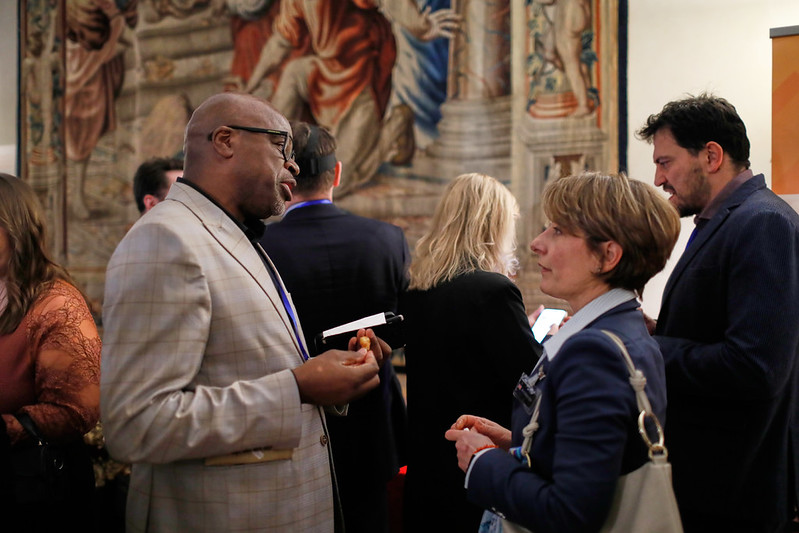
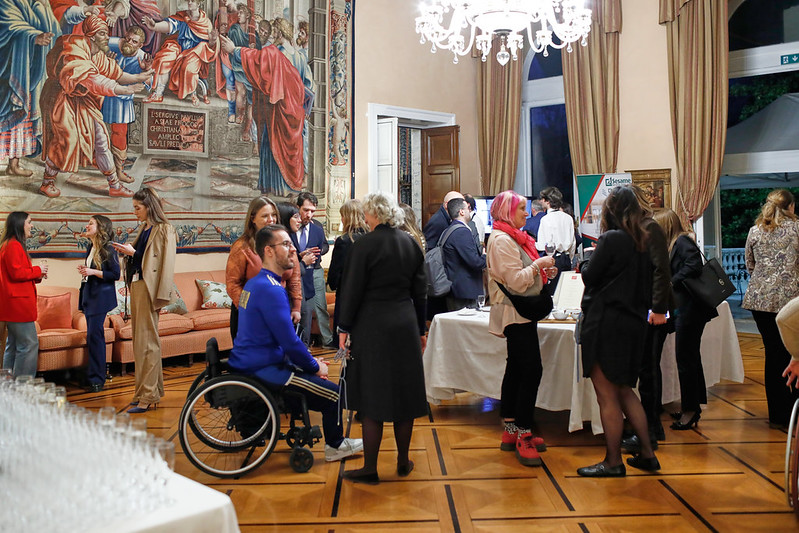
Concluding the reception was a fundamental question - what comes next for inclusive sport? As audience members and the panel alike continued discussion while also engaging in showcases including GiveVision, Sesame Access Systems, Accessercise, Para Sport Against Stigma, Dot Glasses, Boccia England's Boccia Ramp.
The Innovation for Inclusion reception was co-hosted by FCDO GREAT campaign and the Global Disability Innovation Hubs AT2030 programme to mark the conclusion of the 2026 Paralympics in Italy.