Search Our Whole site:
Just Search: Brazil
Mobile as Assistive Technology Brazil Report Summary
This document presents the summary of findings from research investigating the impact of Mobile as Assistive Technology conducted in Brazil between 2024 and 2025. The project explored whether smartphones can serve as assistive technology for people who are Blind or Partially Sighted (BPS) and people who are Deaf or Hard of Hearing (DHH). The research was funded by the UK Department for International Development, Google, and ATScale – Global Partnership for Assistive Technology.
Mobile as Assistive Technology Brazil Case Study Report
This study investigated the feasibility and impact of providing smartphones and digital skills training to people with visual and hearing impairments in Brazil, a country where over 84% of the population uses the internet, but a significant digital divide persists for those with disabilities.
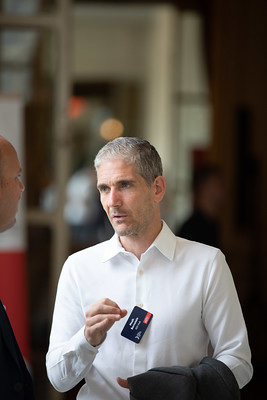
What you water grows: how Brazil thrived at the Paralympics - by Noah Bernstein - COO at GDI Hub
At the Paris 2024 Paralympics, Brazil excelled. But how did they become one of the best performing countries in the world at para sport? Brazil’s success shows change is possible. It also highlights that change won’t happen by itself. Brazil’s story of success contrasts sharply with rich countries like Japan and Australia that typically fare well at the Olympics but lag at the Paralympics due to reported underinvestment and much smaller proportional delegations. We can only hope other governments and decision-makers take note on how to create lasting, sustainable change that brings much more than medals.
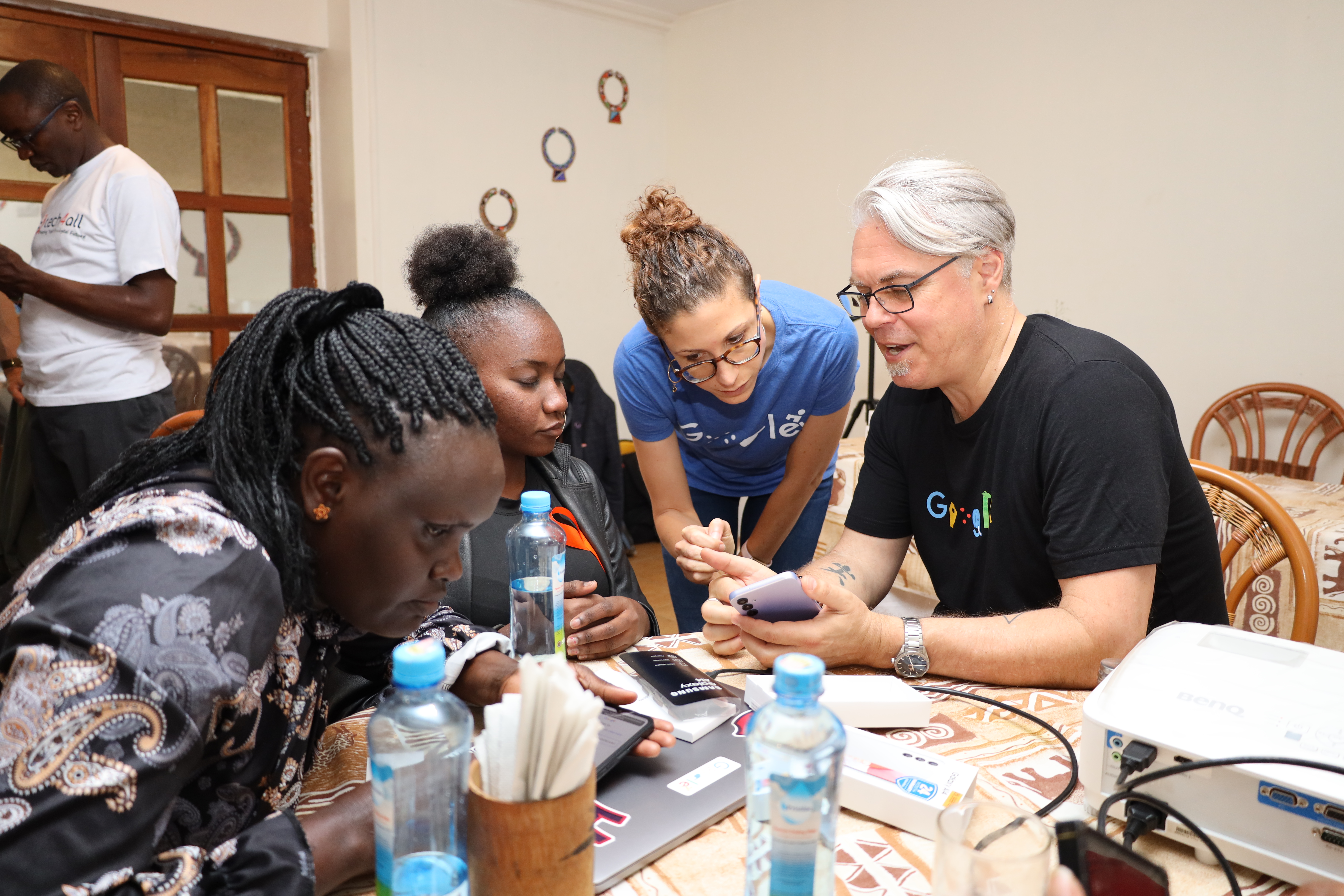
Google project to assist sight and hearing in India, Brazil, and Kenya
Mobile as Assistive Technology: How Digital Assistive Technology is Transforming Lives GDI Hub, Google and AT Scale launch pioneering project to test ‘Mobile at Assistive Tech’ in Kenya, Brazil and India.