Publications
-
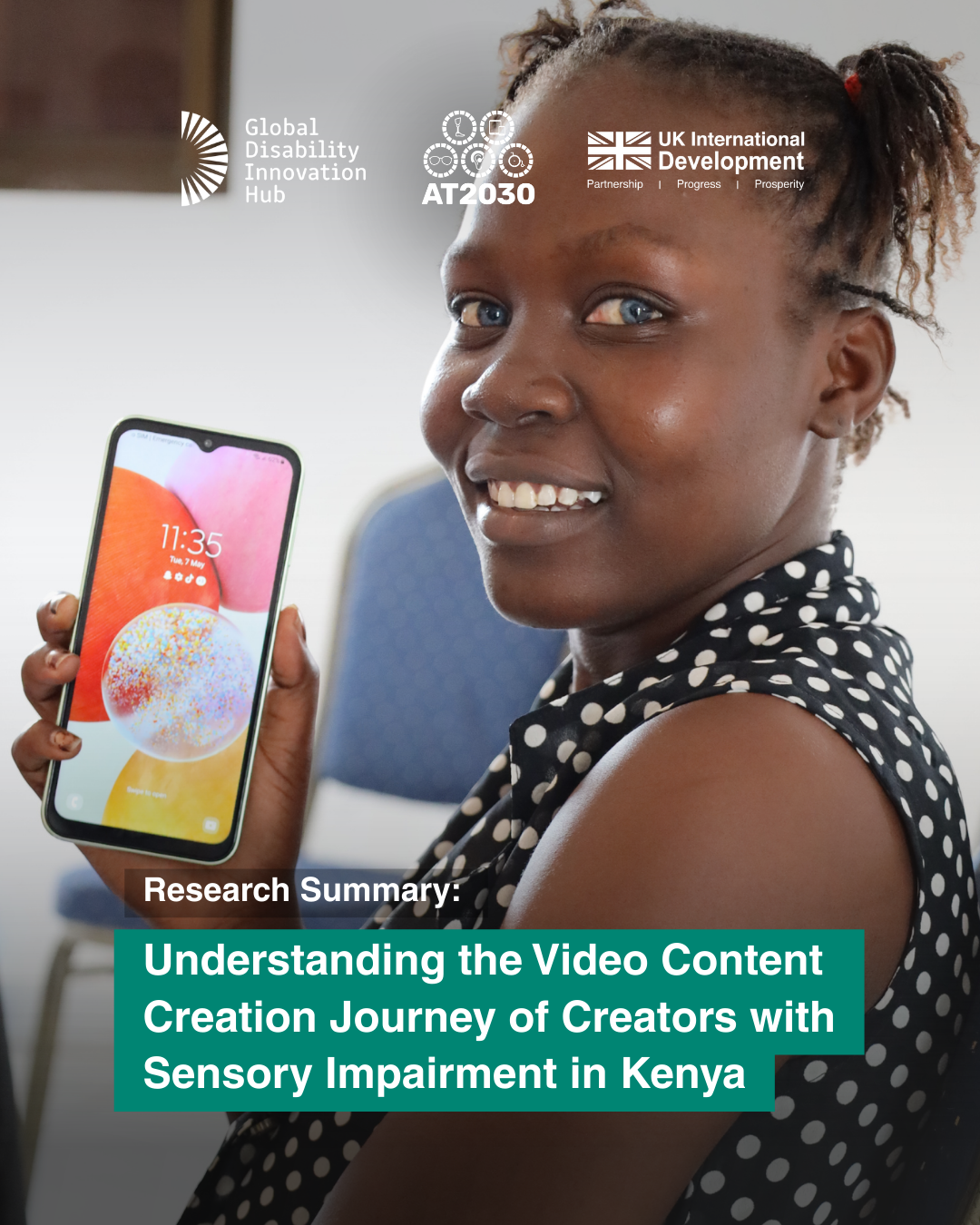
Understanding the Video Content Creation Journey of Creators with Sensory Impairment in Kenya
Catherine Holloway, Lan Xiao, Maryam BandukdaOct. 22, 2025KenyaAcademic Research PublicationsVideo content creation offers vital opportunities for expression and participation, yet remains largely inaccessible to creators with sensory impairments, especially in low-resource settings. We conducted interviews with 20 video creators with visual and hearing impairments in Kenya to examine their tools, challenges, and collaborative practices. Our findings show that accessibility barriers and infrastructural limitations shape video creation as a staged, collaborative process involving trusted human partners and emerging AI tools. Across workflows, creators actively negotiated agency and trust, maintaining creative control while bridging sensory gaps. We discuss the need for flexible, interdependent collaboration models, inclusive human-AI workflows, and diverse storytelling practices. This work broadens accessibility research in HCI by examining how technology and social factors intersect in low-resource contexts, suggesting ways to better support disabled creators globally.
-
Toward a Multi-layer Framework to Assess the Quality of Life Impact of Smartphones as Assistive Technology for People with Sensory Disabilities in Kenya
Vicki Austin, Catherine Holloway, Dr Giulia Barbareschi, Lan Xiao, Maryam BandukdaOct. 22, 2025KenyaAcademic Research PublicationsRecent advances in smartphone technology have elevated their potential as digital assistive technologies (AT) for blind or partially sighted (BPS) and deaf or hard of hearing (DHH) individuals. However, there is a gap in fully understanding the use of smartphones as AT and their impact on the quality of life (QoL) of BPS and DHH individuals. To address this gap, we conducted a mixed-methods longitudinal study over six months with 193 participants in Kenya. The study involved a baseline survey, smartphone digital skills training, and a follow-up survey and interviews to examine the impact of smartphones as AT. The findings emphasise the significant impact of smartphones on their quality of life, including impact on their identity and well-being, social inclusion and leisure, access to information and education, and material well-being. Building on the findings, we contribute an AT Impact Framework, which highlights the behaviours enabled by smartphones and their impact on the individual
-
Designing with Tensions : Understanding Professionals’ Needs in Integrating AI Chatbots for Wheelchair Assessment Services in Low- and Middle-Income Countries
Wen Mo, Catherine Holloway, Aneesha SinghOct. 22, 2025GlobalAcademic Research PublicationsWhile AI chatbots have been proposed to support wheelchair provision services in low- and middle-income countries (LMICs), the perception of physical therapists regarding how they could be integrated into their service workflow remains unclear. We conducted semi-structured interviews with 11 professionals from Africa and South Asia, using two design probes to investigate the potential and limitations of using chatbots in their everyday wheelchair assessment services. Our findings revealed 13 tensions that arise when the envisioned chatbot use misaligns with three interconnected domains - professional values, practice structures, and contextual readiness, such as conflicts in professional autonomy, evolving responsibilities, and confidence in AI.
-
Understanding Professionals’ Needs in Integrating AI Chatbots for Wheelchair Assessment Services in Low- and Middle-Income Countries
Wen Mo, Catherine Holloway, Aneesha SinghOct. 22, 2025GlobalAcademic Research PublicationsWhile AI chatbots have been proposed to support wheelchair provision services in low- and middle-income countries (LMICs), the perception of physical therapists regarding how they could be integrated into their service workflow remains unclear. We conducted semi-structured interviews with 11 professionals from Africa and South Asia, using two design probes to investigate the potential and limitations of using chatbots in their everyday wheelchair assessment services.
-
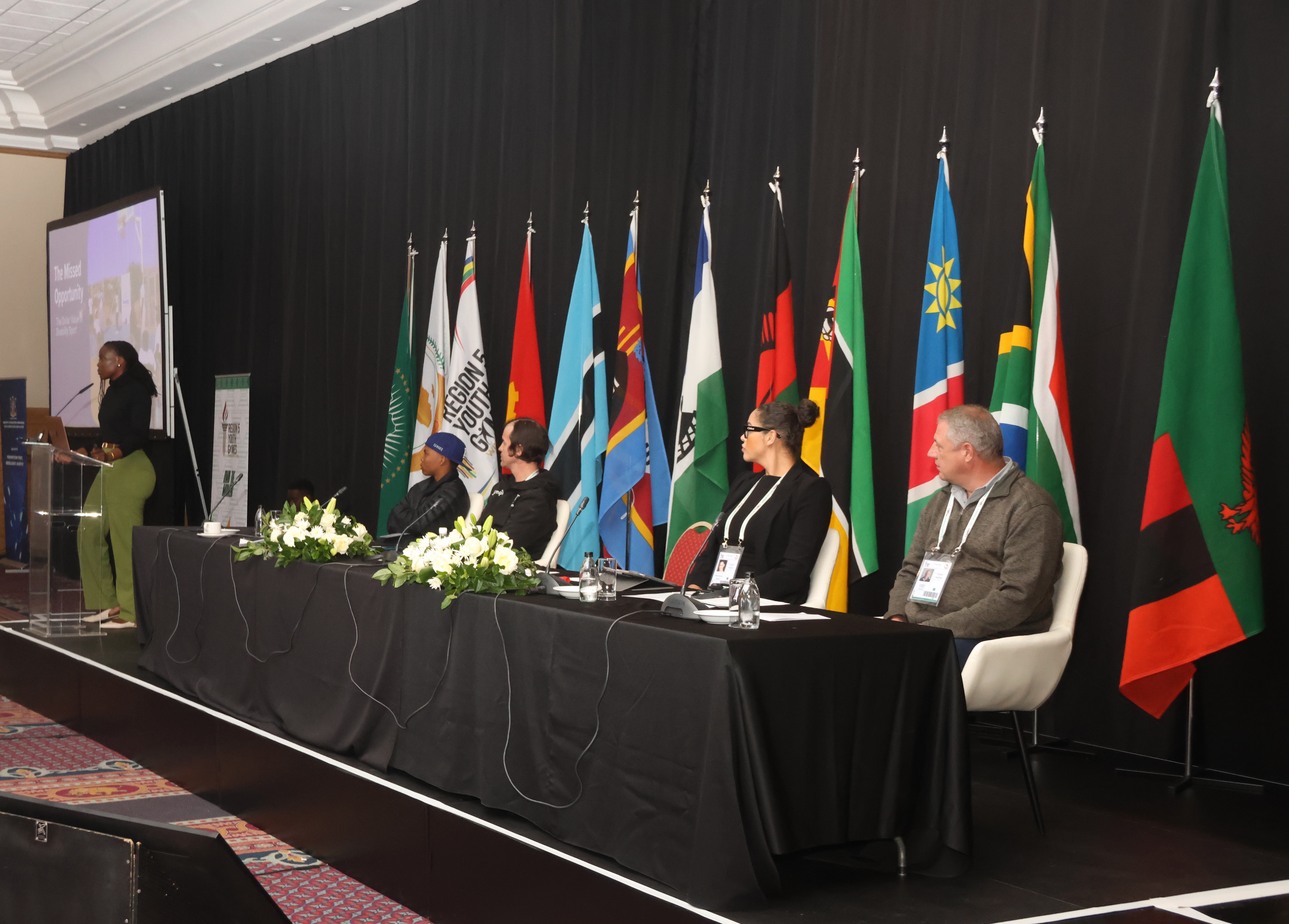
More Than Games: Why Sport Must Matter in the Assistive Technology Agenda
Loughborough UniversitySept. 30, 2025NamibiaCase Studies and ReportsHow participatory research, co-creation with Global South partners, and extended project cycles can lead to policy change for disability inclusion. Exploring how the African Union Sport Council Region 5 Youth Games (July 2025, Namibia) brought together 100 delegates from government, NGOs, and the Olympic and Commonwealth Sport Movements.
-

Sex and Gender in AT2030 V2 funded projects Involving Primary Data
Dr Dilisha Patel, Elizabeth Mc GuinnessSept. 30, 2025GlobalAcademic Research PublicationsThe UK International Development funded AT2030 programme, which focuses on improving access to Assistive Technology (AT) across more than 40 countries, has reached over 37 million people till the end of AT2030 V2. As AT2030 enters its third phase (v3), an evaluation of its past work from 2019-2024 (v2) highlights the need for improved inclusion of sex and gender-disaggregated data in its research outputs.
-
A Cookbook for Community-driven Data Collection of Impaired Speech in LowResource Languages
Gifty Ayoka, Catherine Holloway, Richard CaveSept. 30, 2025GhanaAcademic Research PublicationsThis study presents an approach for collecting speech samples to build Automatic Speech Recognition (ASR) models for impaired speech, particularly, low-resource languages. It aims to democratize ASR technology and data collection by developing a "cookbook" of best practices and training for community-driven data collection and ASR model building. As a proof-of-concept, this study curated the first open-source dataset of impaired speech in Akan: a widely spoken indigenous language in Ghana. The study involved participants from diverse backgrounds with speech impairments. The resulting dataset, along with the cookbook and open-source tools, are publicly available to enable researchers and practitioners to create inclusive ASR technologies tailored to the unique needs of speech impaired individuals. In addition, this study presents the initial results of fine-tuning open-source ASR models to better recognize impaired speech in Akan.
-
Developing National Priority Assistive Products Lists: experiences and lessons from six Sub-Saharan African countries
Frederic Seghers, Satish MishraSept. 27, 2025Academic Research PublicationsThis study examines the experiences and lessons learned from six Sub-Saharan African countries in developing National Priority Assistive Products Lists (APLs) between 2020 and 2024, aiming to provide insights for improving assistive technology (AT) access in low- and middle-income countries (LMICs). Data analysis involved synthesising information to identify common themes, challenges, and best practices in APL development. The study highlights the complex nature of developing National APLs and emphasises the importance of inclusive stakeholder engagement, data-driven prioritisation, and integration within broader health system strengthening efforts. These insights can guide other countries in developing and implementing effective APLs, ultimately improving AT access and advancing disability rights.
-
Exploring the Usability of Gaze-based Mobile Communication in Ghana
Gifty Ayoka, Vicki Austin, Catherine Holloway, Dr Giulia Barbareschi, Richard Cave, Derick OmariSept. 26, 2025GhanaAcademic Research PublicationsIn Ghana, people with communication challenges could benefit from gaze-based Augmented and Assistive Communication devices (AACs), widely used in countries with greater resources. However, there is limited evidence about the potential of such devices by people with communication disabilities in the Global South. Our study sought to evaluate the usability, identifying barriers and facilitators of adoption of a freely available Android-based eye-gaze AAC application called Look to Speak. The study included training of 10 local speech and language therapists and 15 people with communication difficulties. Our findings highlight how, despite some initial successes and the positive opinions of clients, caregivers and speech and language therapists the Look to Speak application largely failed to deliver substantial communication benefits to individual users. This was due to a combination of factors including the high cognitive load, design flaws of the application - such as the lack of optimi
-
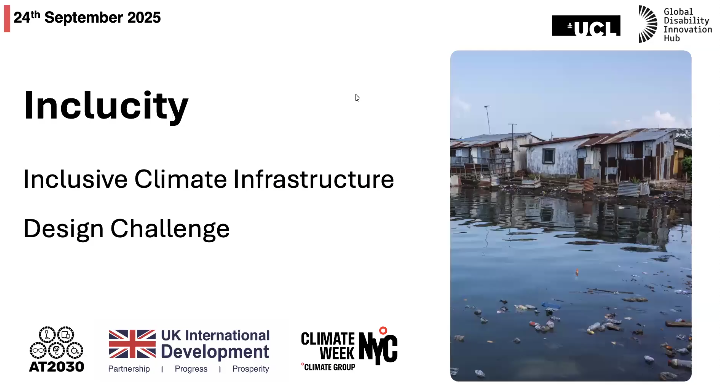
Inclusive Climate Infrastructure Design Challenge
Global Disability Innovation HubSept. 25, 2025GlobalAT2030 ResourcesWe had an enlightening session today as part of the New York Climate Action Week, exploring Inclusive Climate Infrastructure Design Challenge
-
A scoping review of gendered barriers and facilitators of access and use of assistive technology
Vicki Austin, Dr Dilisha Patel, Elizabeth Mc GuinnessSept. 18, 2025GlobalAcademic Research PublicationsA disparity exists in the access and use of assistive technology (AT), with women exhibiting lower rates of access compared to men, despite a higher reported prevalence of disability. To address these gendered inequities in AT, a comprehensive understanding of the influence of sex and gender on AT utilisation, access pathways, and associated perceptions is crucial.
-
A scoping review of gendered barriers and facilitators of access and use of assistive technology
Vicki Austin, Dr Dilisha Patel, Elizabeth Mc GuinnessSept. 18, 2025GlobalAcademic Research PublicationsThis scoping review aimed to synthesise existing evidence concerning how sex and gender affect access, use, and attitudes towards AT. A systematic search across seven databases yielded 120 relevant publications.
-
Need equality and access equity to assistive products across genders and locations in 29 countries: a cross-sectional study
Wei Zhang, Johan Borg, Irene Calvo, Chapal Khasnabis, Luc De Witte, Arne H EideAug. 8, 2025GlobalAcademic Research PublicationsEvidence from nationally representative assistive product studies on needs equality and access equity is essential for effectively targeting measures by health and other services to improve access to assistive products. This multi-country study explored equality regarding the need for and equity regarding access to assistive products across genders and locations.
-
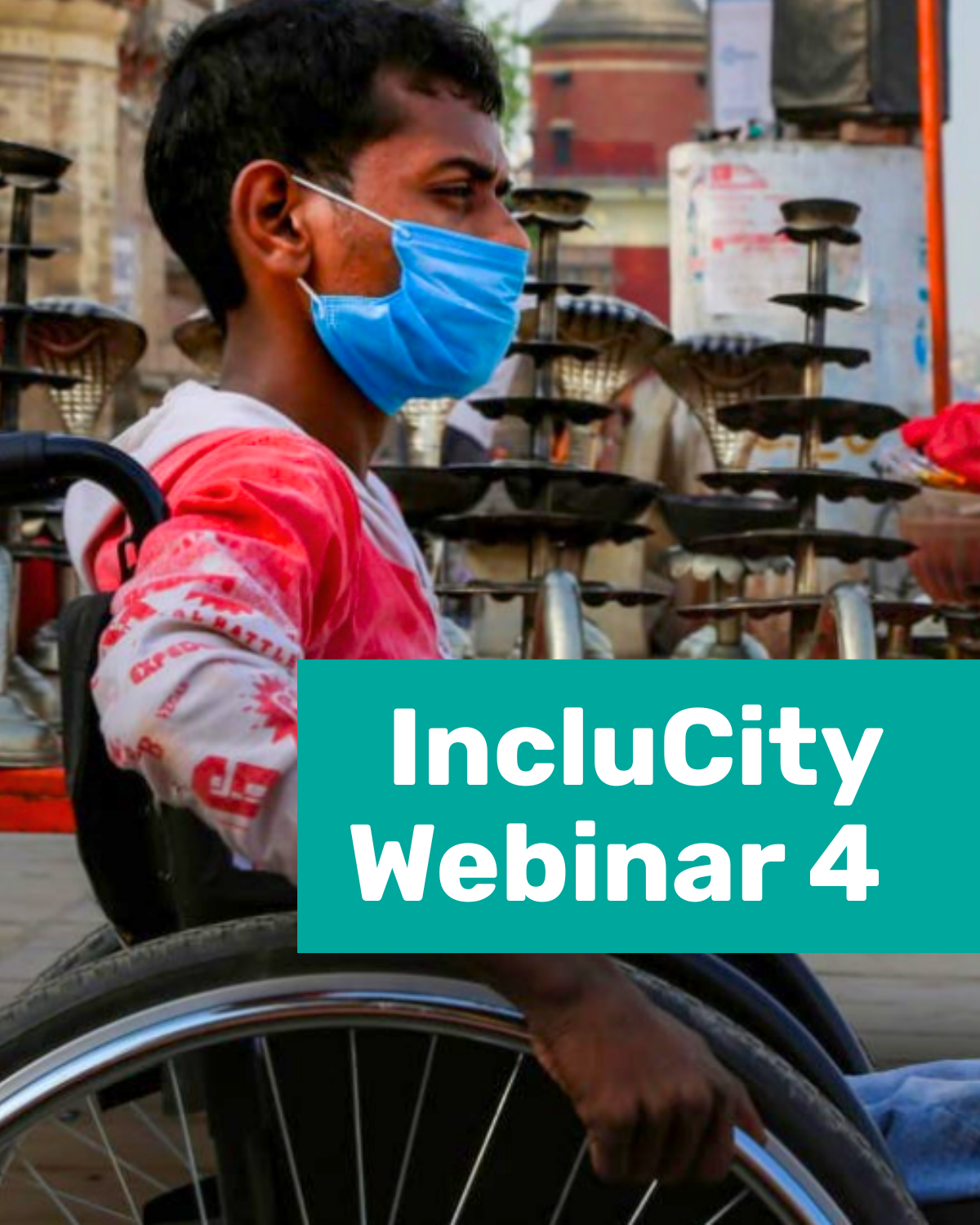
Inclucity 4: Climate resilience and innovation for inclusive cities
Global Disability Innovation HubJuly 23, 2025AT2030 ResourcesIn this final webinar, we will be focusing on climate resilience and innovation for inclusive cities. This project focuses on the need and opportunities for disability inclusion within the climate adaptation, mitigation, resilience, and innovation narratives and actions. It situates inclusive cities within the larger just transition ambition.
-

Understanding the Impact of Assistive Technology on Users’ Lives in England: A Capability Approach
Rebecca Joskow, Dilisha Patel, Anna Landre, Kate Mattick, Catherine Holloway, Jamie Danemayer, Vicki AustinJuly 9, 2025Academic Research PublicationsThis study explores the real-life impact of assistive technology (AT) in England, drawing on findings from a 2023 Country Capacity Assessment conducted by GDI Hub and the UK Disability Unit using the WHO’s ATA toolkit. It revealed the personal significance of AT in shaping identity and confidence, while identifying systemic barriers that limit access and effectiveness. The findings emphassze the need for user-centered approaches in measuring and improving AT systems.
-
Estimates of the global workforce required for providing assistive technology: a modeling study
Johan Borg, Irene CalvoJuly 8, 2025GlobalAcademic Research PublicationsDespite being a fundamental human right, access to assistive products varies between 3% and 90% across countries. Ensuring adequate and trained human resources is a prerequisite for improving access to assistive products. To support workforce planning and development, this study estimated the global workforce required for assistive technology provision to achieve a high level of access.
-

Reflective narrative of OPD's and capacity building in Pakistan
Global Disability Innovation Hub, Special Talent Exchange Program (STEP)June 30, 2025Academic Research PublicationsThis report explores the Organisations of Persons with Disabilities (OPDs) ecosystem in Pakistan, focusing on how capacity building can drive systemic change, improve access to Assistive Technology (AT), and strengthen advocacy for the rights of People with Disabilities (PwDs). Part of the AT2030 programme, funded by UK International Development, the initiative draws on policy analysis, consultations with OPDs, and engagement with government, academia, and the private sector. It identifies key challenges, highlights opportunities, and offers practical recommendations to enhance OPD effectiveness and AT access.
-
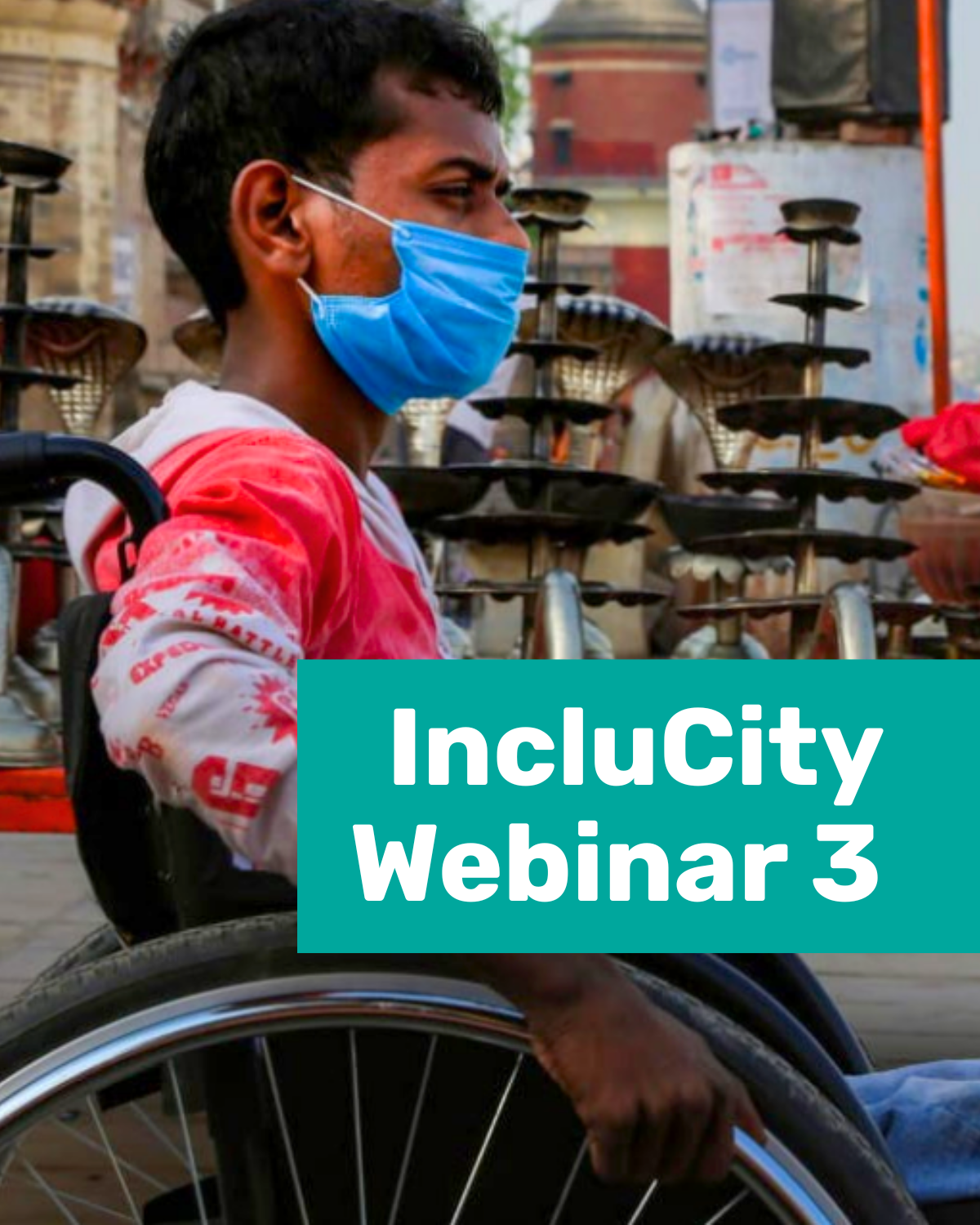
IncluCITY 3: Making Services Inclusive
Global Disability Innovation HubJune 25, 2025AT2030 ResourcesIn this third webinar, the focus was on Making Services Inclusive—exploring inclusive services and facilities, including essential services, and how to create seamless cities with connected, inclusive service ecosystems. It examined different aspects of inclusive services, including policy, training, financing, design, implementation, and monitoring.
-
Outcomes of assistive technology use by sex and gender; a scoping review
Vicki Austin, Mikaela Patrick, Dr Dilisha PatelJune 25, 2025GlobalAcademic Research PublicationsThis paper synthesises evidence on the influence of sex and gender on assistive technology (AT) outcomes, recognising AT as a tool for enabling participatory rights.
-
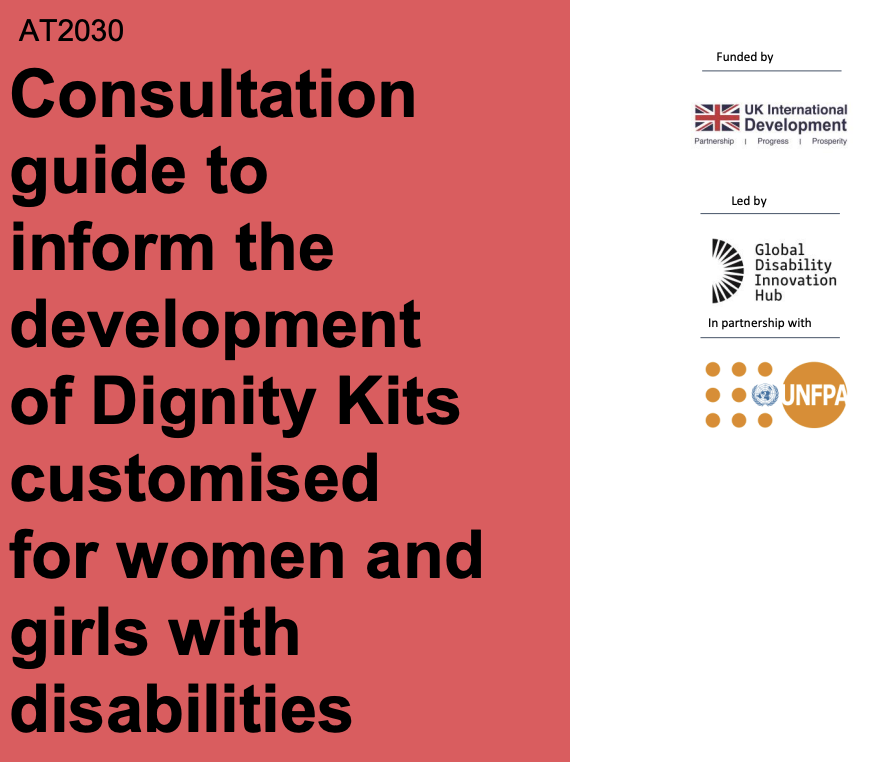
Consultation guide to inform the development of Dignity Kits customised for women and girls with disabilities
Patel Dilisha, Global Disability Innovation HubJune 23, 2025GlobalAcademic Research PublicationsThis new toolkit is here to help us hold impactful consultations to develop Dignity Kits specifically for women and girls with disabilities! Created with GDI Hub and UNFPA Asia-Pacific Regional Office, this guide has been refined through piloting in Bangladesh, Afghanistan, Fiji, Indonesia, and Sri Lanka UNFPA Country Offices. Their experiences are now integrated, making this a powerful tool for UNFPA country offices worldwide to ensure their offerings are truly inclusive.
Previous PageNext Page